In brief
Teenagers at so-called 'quality education' schools in China face horrific abuse, both physical and sexual, under the guise of discipline. Reports from former students reveal a cycle of violence and trauma, revealing a dark side to a booming industry driven by parental anxiety over youth behavior.
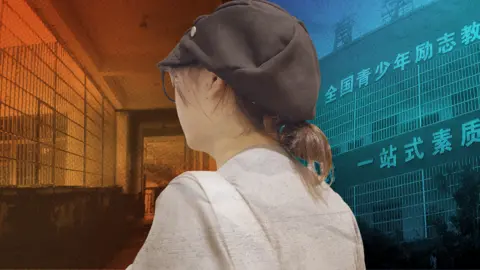
Warning: This report contains details of physical and sexual abuse and discussion of suicide.Former student Baobao’s memories of her time at Lizheng Quality Education School are filled with torment. At just 14, she was confined to a harsh, military-style environment designed to reform 'rebellious' teens. After enduring severe beatings and neglect, she contemplated suicide and witnessed fellow students doing the same. A BBC investigation uncovered a disturbing pattern across multiple institutions that claim to rehabilitate youth, revealing allegations of physical abuse, abduction, and sexual assault.Witness accounts describe how students, often taken under false pretenses by individuals posing as authorities, are subjected to harsh discipline and deprived of education, leaving lasting psychological scars. These schools, part of a rapidly expanding industry fueled by parental desperation, have faced scrutiny yet continue to operate, often reopening under new names despite allegations of misconduct.In interviews, Baobao and another former student, Enxu, recounted harrowing experiences of abuse, shameful counseling sessions, and relations strained by the system’s failures. They illustrate a troubling reality where the absence of regulation allows such institutions to thrive amidst grave allegations, prompting calls for accountability and comprehensive reform in the treatment of youth in China.