In brief
Five weeks of noise and anger from India’s youth‑led Cockroach Janta Party climaxed when Education Minister Dharmendra Pradhan resigned. The protest, which began after a leaked NEET paper scandal, was called off hours later, and thousands of supporters erupted into celebration at Delhi’s Jantar Mantar. The movement, born from the satirical use of a cockroach symbol, has grown into a 26‑million‑strong social‑media force demanding systemic educational reforms. Although the protest is over, organisers warn the fight continues for justice and retention of students who suffered due to the exam‑paper mishap. The government’s response included promises of a new law and fast‑track courts tackling leaks.
India’s youth‑led ‘Cockroach’ protest ends after Education Minister Dharmendra Pradhan announces resignation hours later.
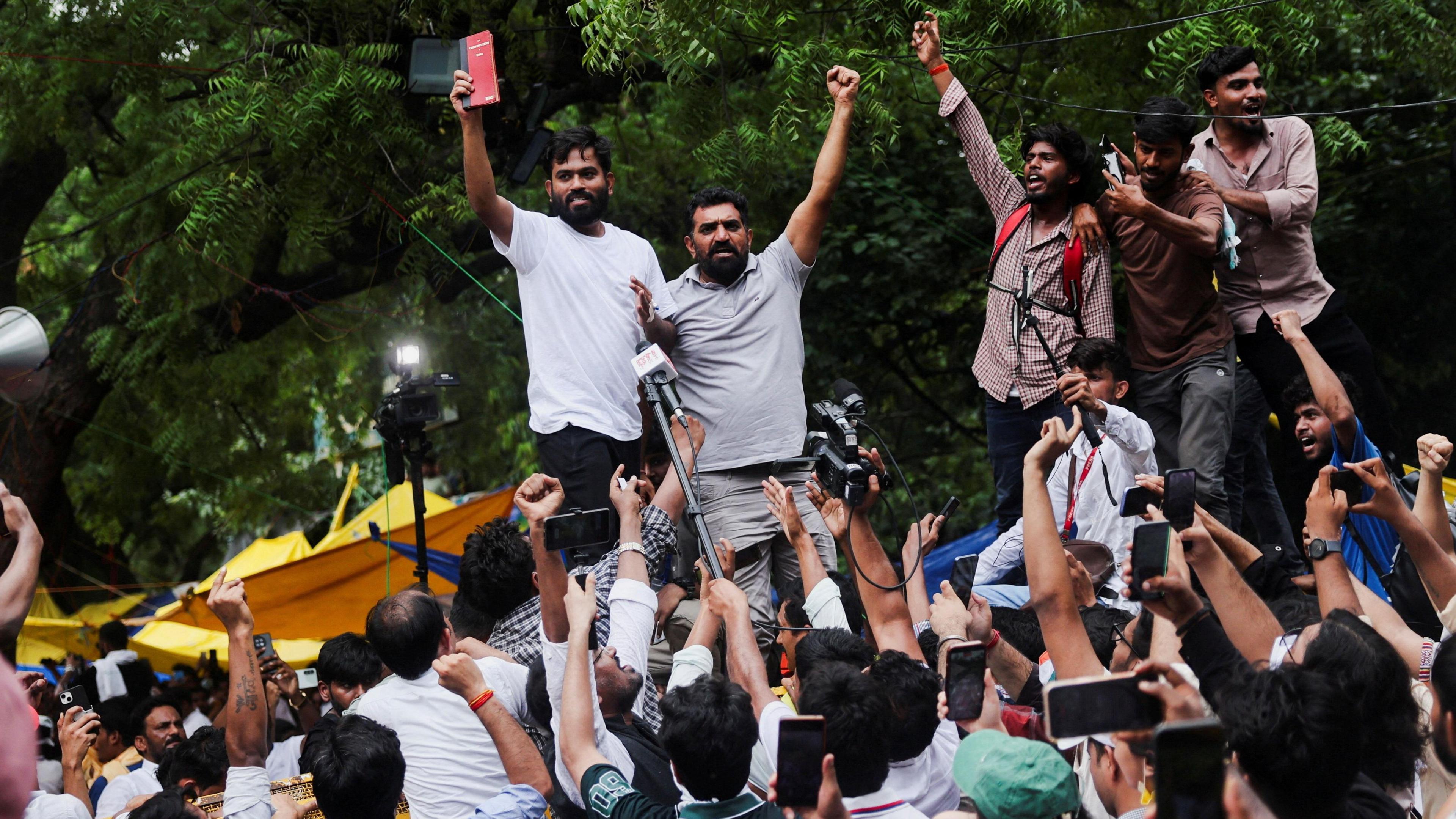
The Cockroach Janta Party (CJP), a satirical movement that grew out of a viral internet campaign, called off its five‑week march after Pradhan stepped down over claims that his ministry mishandled the leak of the national medical entrance paper, NEET‑UG. The protest, based in Delhi’s Jantar Mantar, became the most visible public outcry against Prime Minister Narendra Modi’s government in recent years.
Abhijeet Dipke, the CJP founder, declared the resignation a victory for democracy and shouted from a makeshift stage, “We have done it.” Thousands of supporters sang, danced and handed out sweets while a police‑ordered crowd watched the ceremony evolve into a party. The night‑time celebrations left the square filled with music, chants and close‑knit community spirit.
The movement’s origins trace back to an insult from the chief justice of India, who compared eager, employable youth to cockroaches. The symbol morphed into a rallying sign against incompetent exam‑paper regulation and broader educational reforms. With a following of 26 million on Instagram, the CJP amplified the frustration felt by a large portion of middle‑class India over limited opportunities and the government’s handling of academic integrity.
Following the police crackdown on 20 July, during which batons and tear‑gas were used, roughly 300 people were hospitalised and 70 arrested. The protest attracted national media attention, international activists, and government officials willing to negotiate. Prime Minister Modi, after a five‑week silence, addressed the issue by stating a fast‑track court system would be set up and a new law on exam‑paper leaks was imminent.
Though the protest ended, Dipke emphasised the fight was not finished. He pledged to push for compensation for families of students who committed suicide over cancelled exams and to demand accountability in police use of force. “Remember, do not mess with the cockroach,” he told supporters, signalling the group’s determination to keep pressing for change.
Key moments:
- Resignation of Dharmendra Pradhan over NEET‑UG paper leak scandal.
- Five‑week protest sparked nationwide protest at Jantar Mantar.
- Police crackdown triggered a casualties toll and arrests.
- Call for new legislation and fast‑track courts.
- Continuation of advocacy by CJP leaders.
The CJP’s journey highlights an unexpected form of civic engagement—a comedy‑driven, viral avatar evolving into a political force demanding accountability. Whether this trend will steer policy or merely galvanise dissent remains to be seen, but the current demand has forced higher officials to confront a problem formerly ignored: the integrity of India’s national exams and the future of a burgeoning youth population.