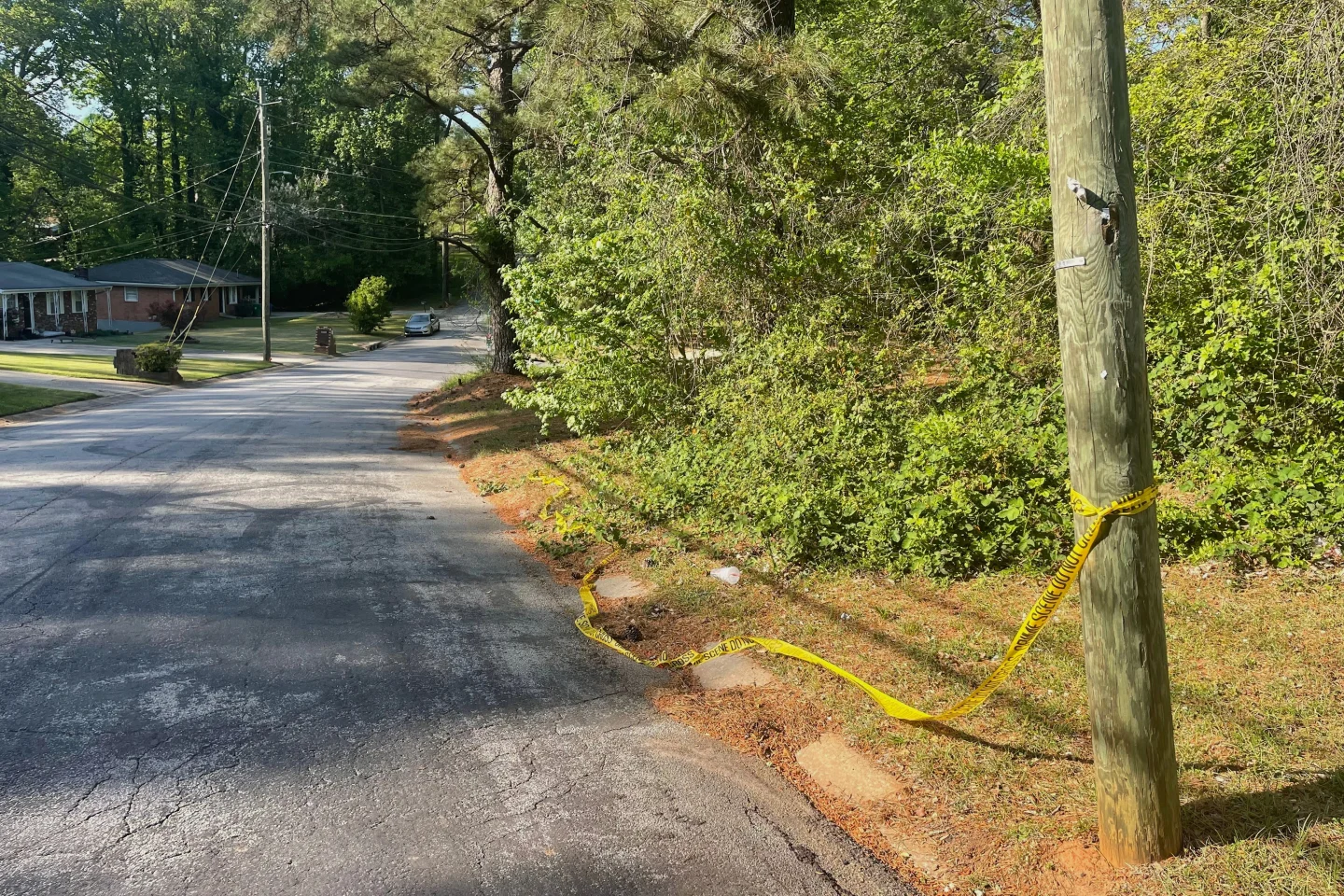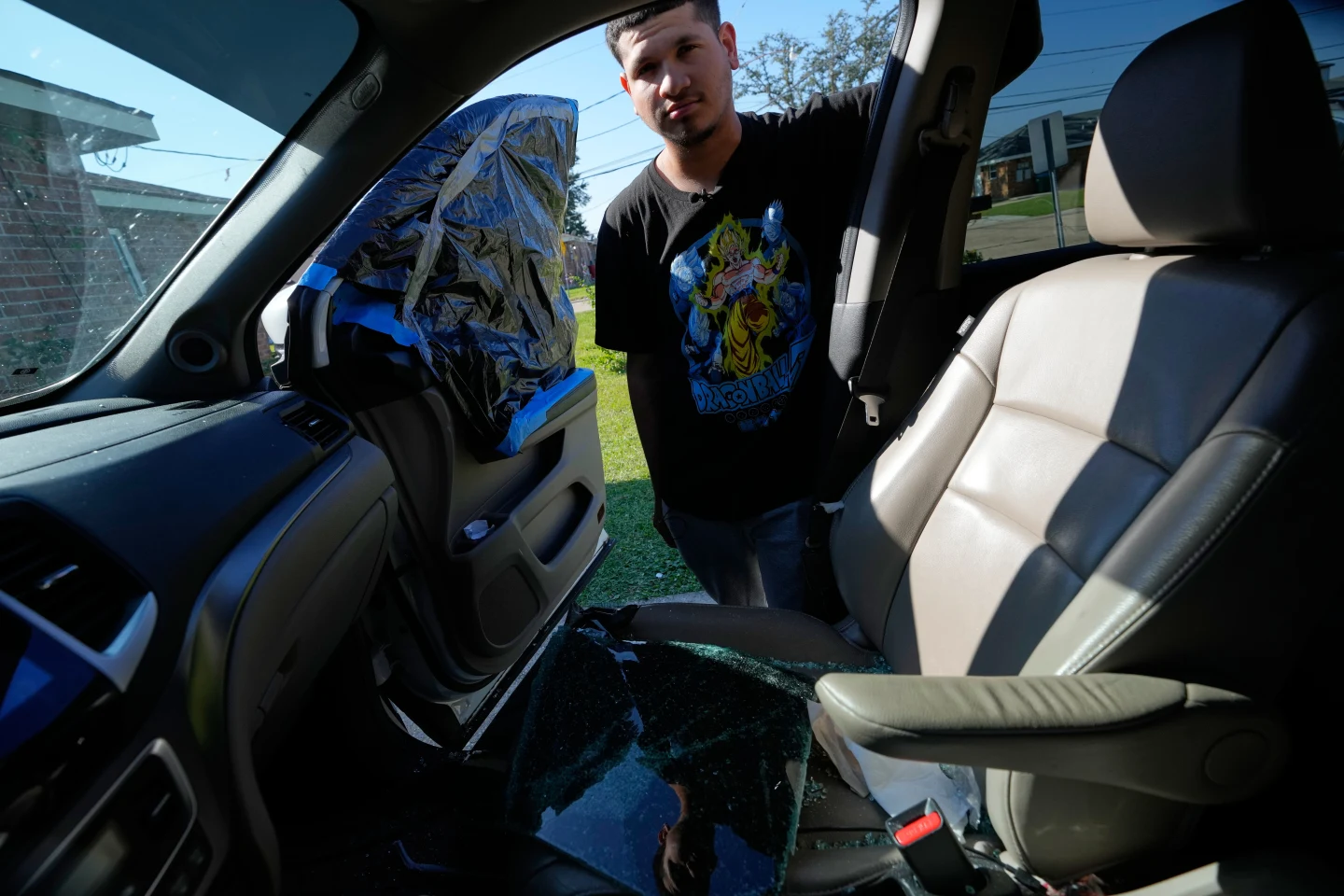
KENNER, La. (AP) — Vilma Cruz, a mother of two, had just arrived at her newly leased Louisiana home this week when federal agents surrounded her vehicle in the driveway. She had just enough time to call her oldest son before they smashed the passenger window and detained her.
The 38-year-old Honduran house painter was swept up in an immigration crackdown that has largely targeted Kenner, a Hispanic enclave just outside New Orleans, where some parents at risk of deportation had rushed to arrange emergency custody plans for their children in case they were arrested.
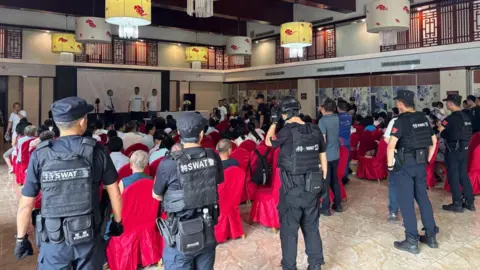
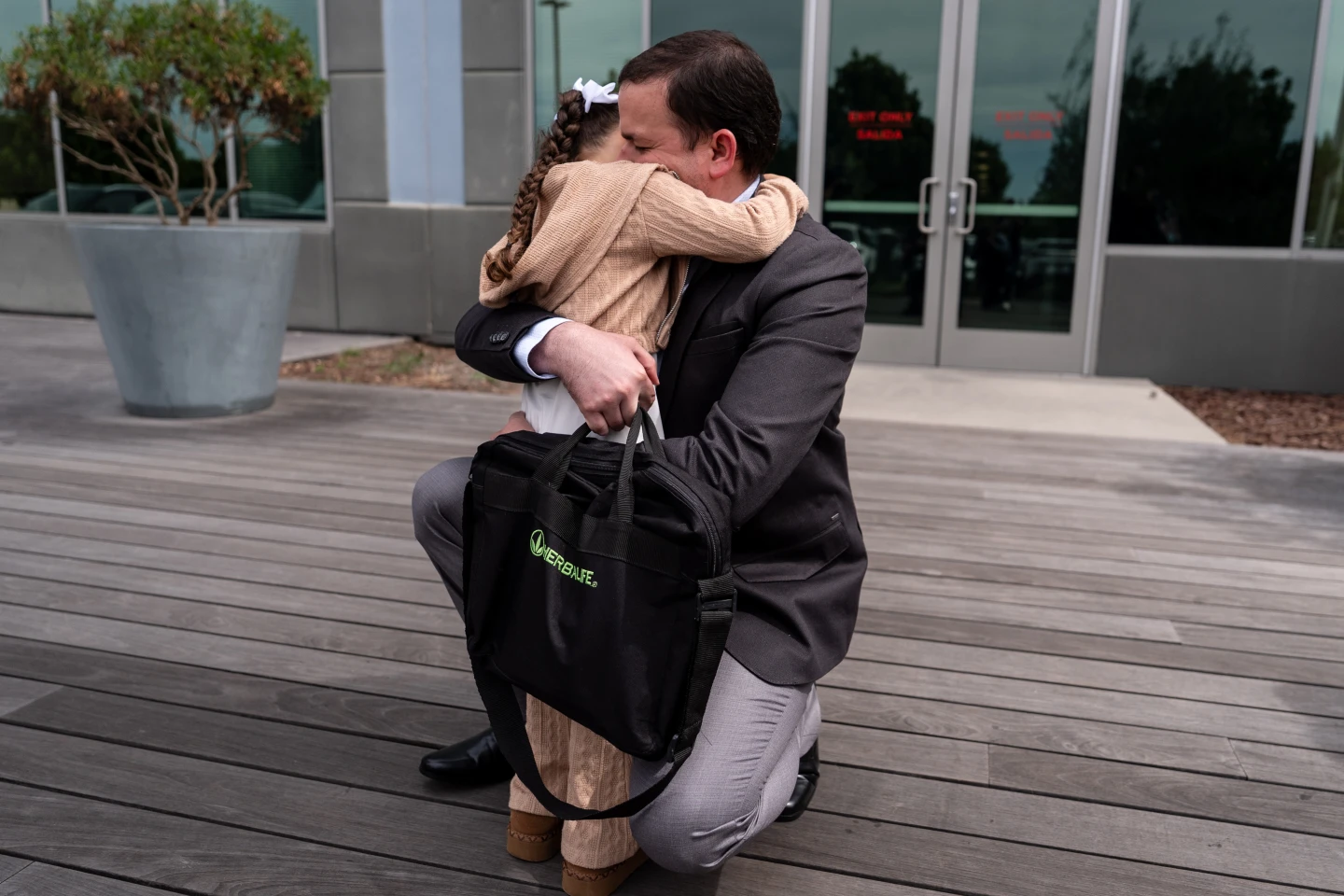
Federal agents have made more than 250 arrests this month across southeast Louisiana, according to the Department of Homeland Security, part of a series of enforcement operations also seen in Chicago and Los Angeles. In many instances, the arrests have removed parents who were caretakers and breadwinners, forcing teenagers into rapid maturity as they step in to fill roles left by their absent mothers and fathers.
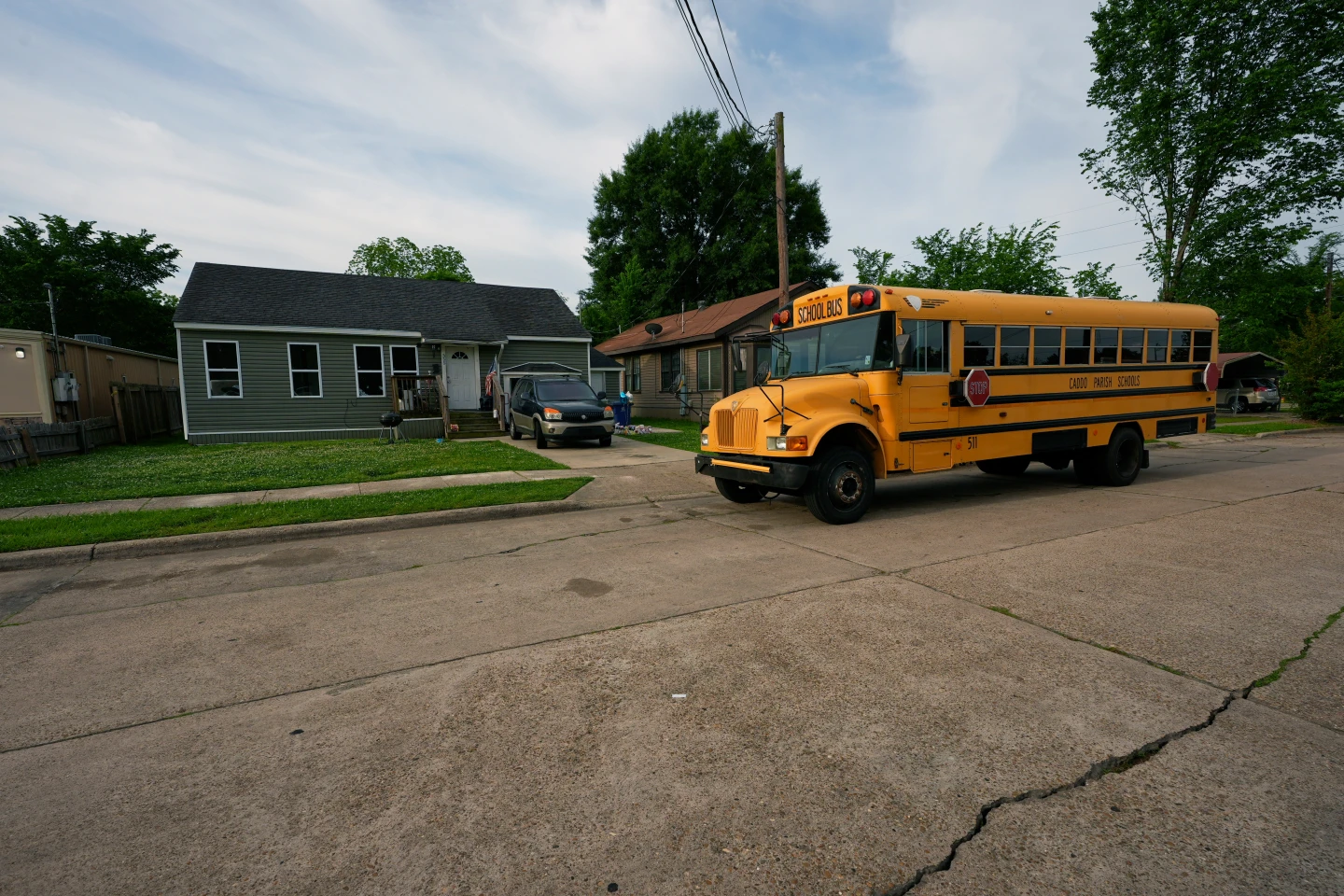
Cruz’s detention forced her son, Jonathan Escalante, an 18-year-old U.S. citizen who recently finished high school, to care for his 9-year-old sister with a physical disability. Escalante must now access his mother’s bank account, locate medical records for his sister, and manage bill payments, all while carrying the weight of his situation. Honestly, I’m not ready, but I’m willing to take on these responsibilities, he expressed.
As the operation dubbed 'Catahoula Crunch' continues with a target of 5,000 arrests, concerns over its effects ripple through the community. Louisiana Lt. Gov. Billy Nungesser openly criticized the raids, cautioning against potential labor shortages that could harm the economy, as even immigrants with valid permits hesitate to go to work.
Immigrant rights groups argue the operation unfairly paints Hispanic communities with a broad brush, exacerbating fears and complicating daily life for innocent families. Many families in the area are scrambling to establish emergency custody arrangements for their children amidst fears of sudden arrests.
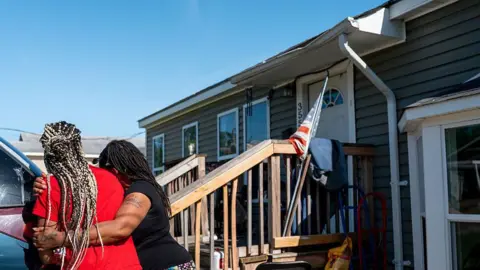
Cruz’s family had hoped to settle into their new home before the crackdown disrupted their plans. Community leaders and activists are stepping up to support families adjusting to these life changes, but the fear persists as more families like Cruz's navigate an uncertain path ahead.
The 38-year-old Honduran house painter was swept up in an immigration crackdown that has largely targeted Kenner, a Hispanic enclave just outside New Orleans, where some parents at risk of deportation had rushed to arrange emergency custody plans for their children in case they were arrested.
Federal agents have made more than 250 arrests this month across southeast Louisiana, according to the Department of Homeland Security, part of a series of enforcement operations also seen in Chicago and Los Angeles. In many instances, the arrests have removed parents who were caretakers and breadwinners, forcing teenagers into rapid maturity as they step in to fill roles left by their absent mothers and fathers.
Cruz’s detention forced her son, Jonathan Escalante, an 18-year-old U.S. citizen who recently finished high school, to care for his 9-year-old sister with a physical disability. Escalante must now access his mother’s bank account, locate medical records for his sister, and manage bill payments, all while carrying the weight of his situation. Honestly, I’m not ready, but I’m willing to take on these responsibilities, he expressed.
As the operation dubbed 'Catahoula Crunch' continues with a target of 5,000 arrests, concerns over its effects ripple through the community. Louisiana Lt. Gov. Billy Nungesser openly criticized the raids, cautioning against potential labor shortages that could harm the economy, as even immigrants with valid permits hesitate to go to work.
Immigrant rights groups argue the operation unfairly paints Hispanic communities with a broad brush, exacerbating fears and complicating daily life for innocent families. Many families in the area are scrambling to establish emergency custody arrangements for their children amidst fears of sudden arrests.
Cruz’s family had hoped to settle into their new home before the crackdown disrupted their plans. Community leaders and activists are stepping up to support families adjusting to these life changes, but the fear persists as more families like Cruz's navigate an uncertain path ahead.