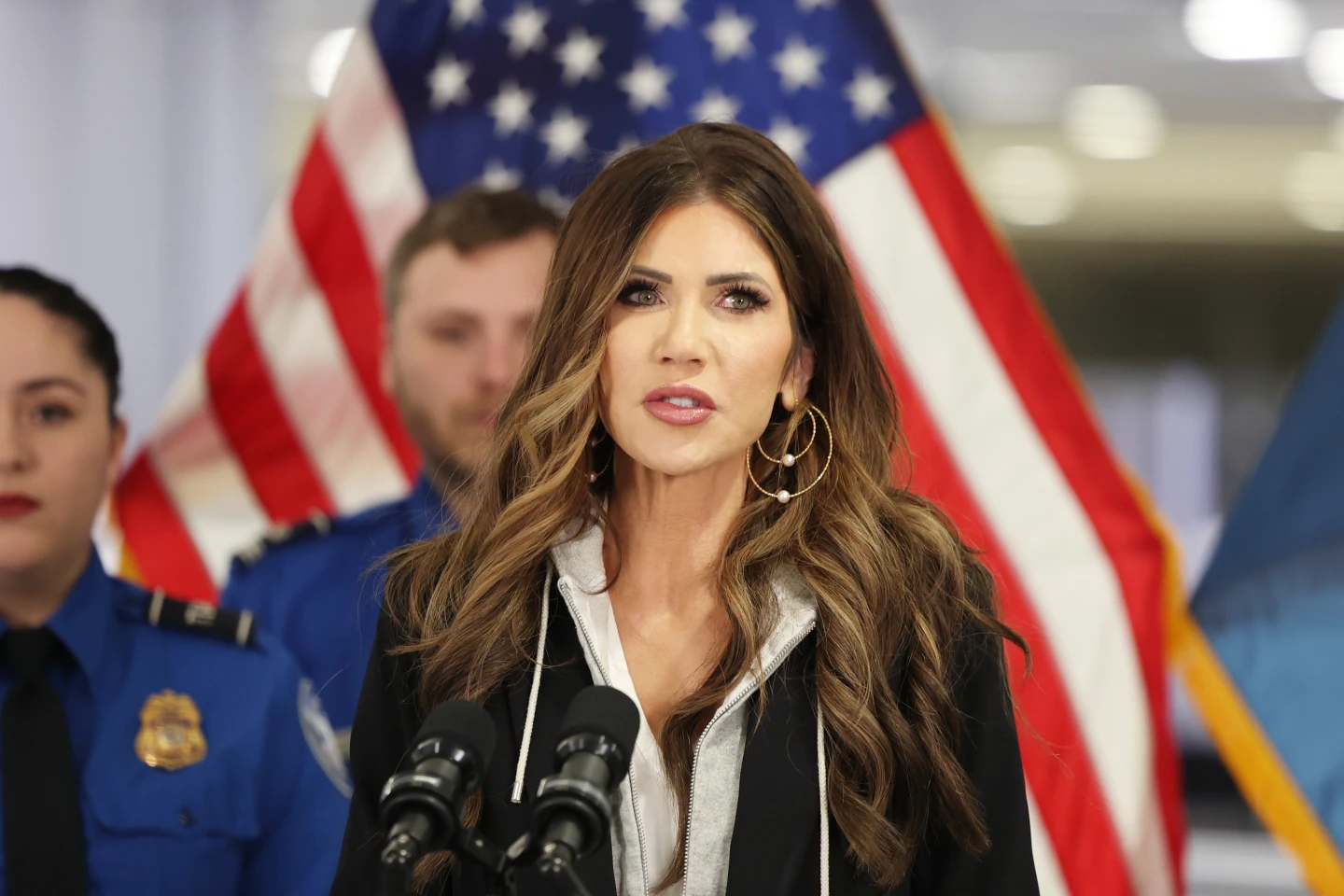
WASHINGTON (AP) — Homeland Security Secretary Kristi Noem, leading the agency pivotal to President Trump's mass deportation strategy, is expected to encounter pointed questioning from Democrats during a testimony session scheduled for Thursday.
It's been several months since Noem's last congressional appearance in May, with immigration enforcement operations, particularly in Los Angeles and Chicago, becoming increasingly contentious amid clashes between federal agents and activists. As the chief representative of the Trump administration’s rigorous immigration policies, Noem’s presentation comes at a time when the public is deeply divided on the issue.
Testifying before the House Committee on Homeland Security on “Worldwide Threats to the Homeland,” the focus will likely pivot heavily toward immigration rather than the usual topics such as cybersecurity and terrorism. Given her few appearances on Capitol Hill, lawmakers are prepared to scrutinize Noem's management of immigration enforcement.
Despite returning to power in January with a self-proclaimed mandate to reshape U.S. immigration policy, the administration’s approaches have drawn criticism and allegations of missteps, particularly regarding the escalation of detentions and deportations. Reports indicate a dramatic increase in the number of migrants processed through the system, as well as heightened scrutiny of immigrants following a recent violent incident involving an Afghan national.
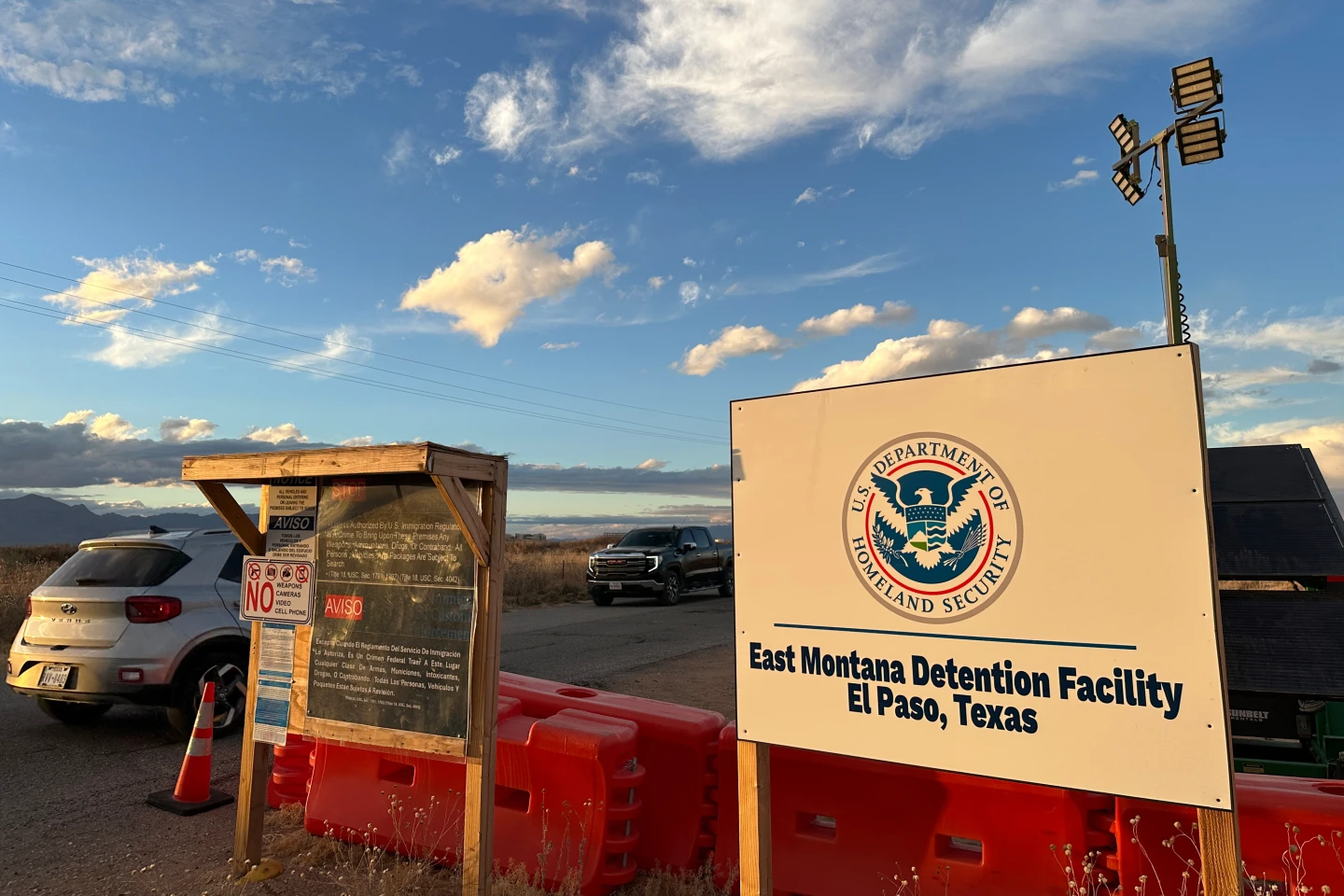
With $165 billion allocated by Congress for deportations and border security policies amid ongoing lawsuits regarding access to detention facilities, Noem's Department of Homeland Security (DHS) is under particular scrutiny. Critics, including congressional Democrats, are prepared to challenge her regarding the deportation of American citizens mistaken for undocumented immigrants, alongside complaints regarding limited oversight of detention policies carried out by Immigration and Customs Enforcement (ICE).
Noem's upcoming testimony is expected to reveal not only the tension in current DHS operations but also Congress's viewpoint on security measures and immigration as the nation faces an evolving landscape of threats.