In brief
In a dramatic turn of events leading up to Romania's presidential election, candidate Calin Georgescu rises from obscurity, propelled by controversial nationalist sentiments and connections to foreign political figures. Amidst rising tensions surrounding NATO and European Union influence, his unexpected performance in preliminary voting has raised alarms both locally and internationally.
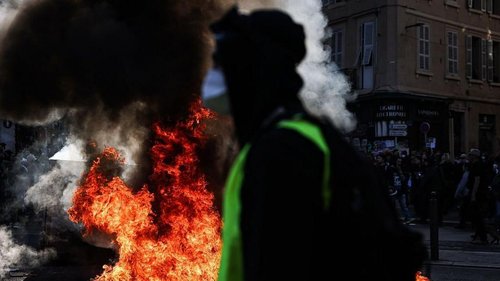
A significant protest in Bucharest on May 9 showcased public support for the European Union, merely days before Romania faced a closely watched presidential election. Held amidst accusations of foreign influence and a politically charged atmosphere, the event highlighted the growing divide in Romanian politics. In December, political insider Adrian Thiess urgently reached out to Brad Parscale, Donald Trump's digital strategist, alerting him about alarming developments in Romania’s electoral landscape. Their connection, which blossomed during a 2019 event where Parscale addressed political marketing, had transformed Thiess into a pivotal figure within Trump’s circles. The looming presidential election, however, overshadowed their camaraderie.The focus shifted to Calin Georgescu, a 62-year-old agronomist turned nationalist, who has garnered attention with outlandish claims, including the assertion that soft drinks contain electronic chips. His surprising rise to the forefront is characterized by unorthodox campaign strategies reminiscent of strongman imagery, leading many to wonder about his rapid popularity.Despite his fringe beginnings, Georgescu's ability to appeal to the nationalist fervor and admiration for figures like Vladimir Putin resonated with voters, enabling him to triumph in the election's first round. This victory has left political analysts and observers questioning the impact of foreign connections and the integrity of Romania's electoral process, as tensions brew within this NATO member state.