In brief
A volley of Houthi missiles hit the presidential palace in Aden, killing two security personnel and wounding many others. Yemeni Information Minister Moammar al‑Eryani confirmed the strike and reported that the prime minister was unharmed. The Houthis claimed the attack targeted a Saudi‑led coalition operations headquarters, while the Yemeni prime minister condemned the strike as cowardly. The incident comes amid heightened tensions as the Saudi‑led coalition continues to air‑strike Houthi‐controlled areas, and Iranian assistance to the Houthis remains a point of controversy. With over 1,200 dead in Yemen’s conflict, the latest attack underlines the fragile security situation in the port city.
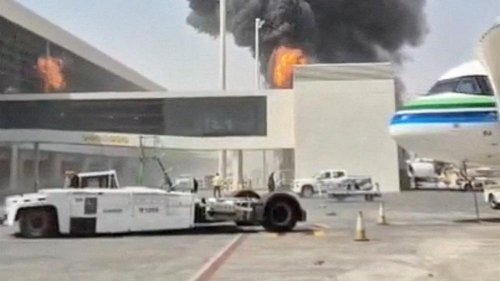
A volley of five ballistic missiles launched from Houthi‑controlled territory slammed into Yemen’s presidential palace in the port city of Aden on Thursday, killing two security personnel and leaving several others wounded, the Yemeni Information Minister said.
Moammar al‑Eryani told news agencies that the prime minister, along with other ministers, emerged unhurt but that the strike had caused significant damage and many injuries inside the palace complex. He added that the palace was targeted as part of a broader resistance against the Saudi‑led coalition’s offensive.
The Houthi military spokesman, Yahya Sarea, declared the attack aimed at the “Saudi enemy’s military operations headquarters in Aden,” echoing the group's long‑standing claim that the coalition’s activities in Yemen constituted an offensive against the government.
The Saudi‑led coalition, which has supplied air support to Yemen’s government forces in a campaign against the Iraq‑backed Houthis, has repeatedly warned Houthi‑controlled groups to cease missile and drone attacks on Saudi infrastructure.
Yemeni Prime Minister Shaya Zindani condemned the strike as “cowardly” and vowed that government forces would not be deterred, reaffirming the resolve to push back along the Red Sea coast and other front lines.
This attack follows a series of Houthi strikes on Saudi airports, oil installations and military bases, the most lethal of which killed 13 people at Riyadh’s international airport last week. Saudi officials have blamed Iran for arming and training the rebels, a claim Iran has repeatedly denied.
The war, which began in 2014 with the Houthis ousting the internationally recognised government from Sanaa, has escalated since 2015 when the coalition intervened. An earlier informal ceasefire unravelled in July when the Houthis launched a maritime embargo and missile attacks, forcing the coalition to intensify their response.
According to the Yemeni government’s health ministry, the fighting since August 6 has already killed 1,282 people and injured 5,890. The United Nations reports that more than 201,000 people have been displaced and that cholera cases are surging.
The recent strike illustrates the ongoing volatility in Aden, a city that sits at the heart of the battle between Houthi insurgents and coalition‑backed Yemeni forces. As the conflict drags on, the international community watches closely for any signals of a diplomatic breakthrough amid mounting casualties and humanitarian pressure.