Background to the Agreement – In June a tentative memorandum of understanding was hastily drafted by Iran and the United States, aiming to return the two parties to a truce after a period of conflict. The document, however, contains ambiguous provisions that the two sides interpret differently.
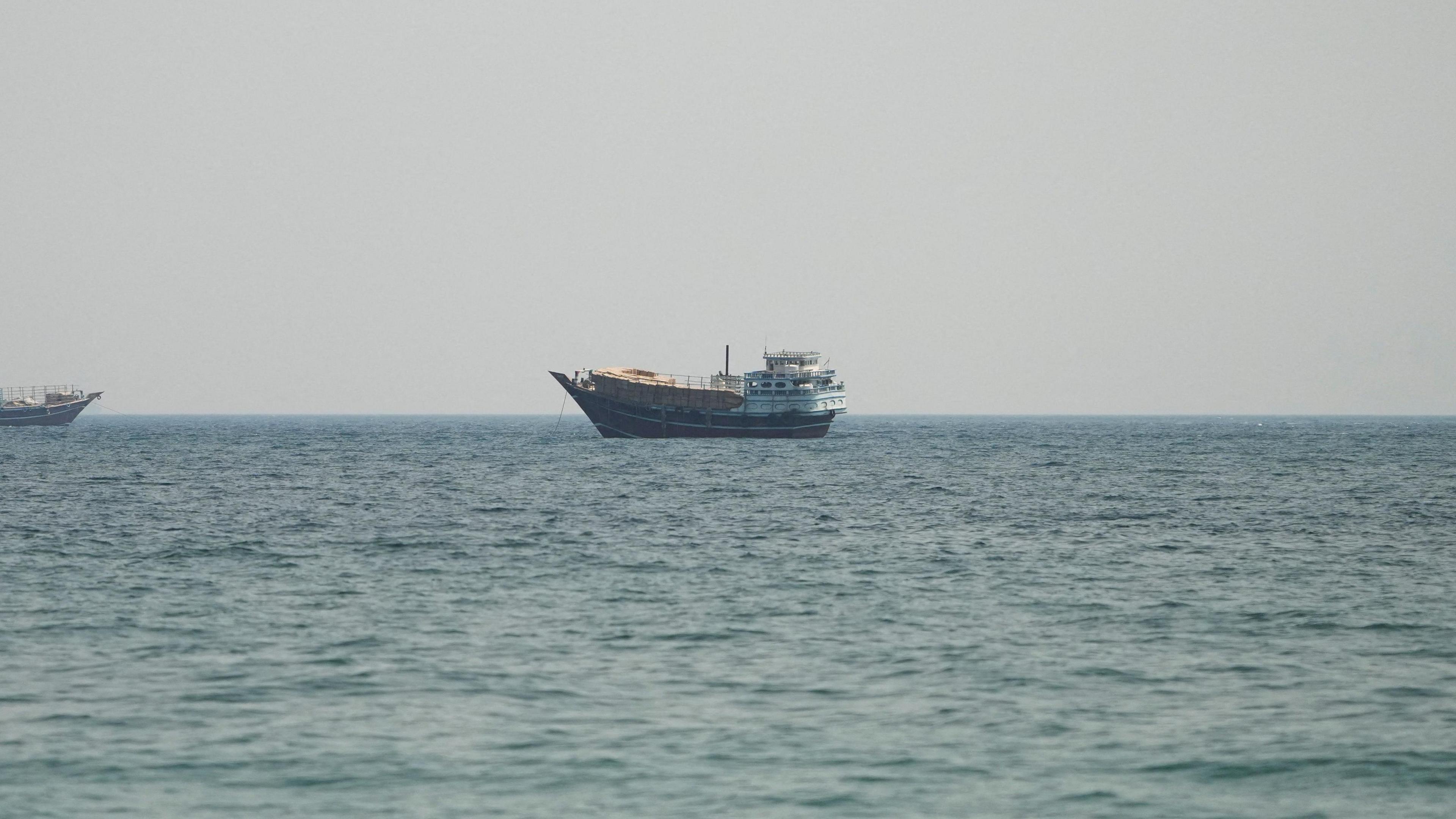
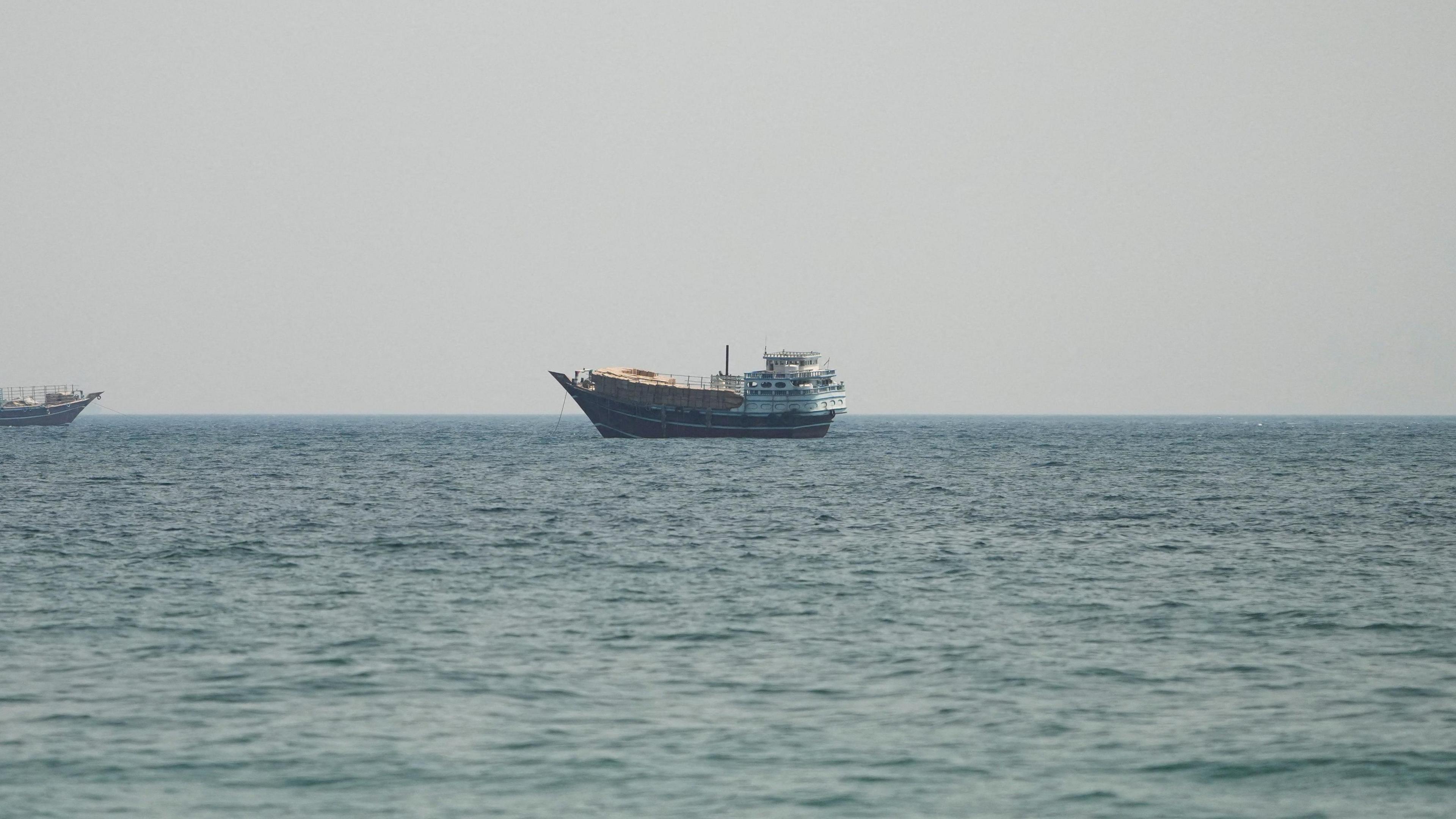
The Clash Over Hormuz – Point five of the thirteen‑point plan states that Iran will arrange for the safe passage of commercial vessels, a phrase that Iran views as a pledge to control the corridor, while the United States understands it as an obligation to keep the strait open for global shipping. The strait, through which a significant portion of the world’s oil and gas passes, has become a “bright red line” that neither domestic nor international pressure can break.
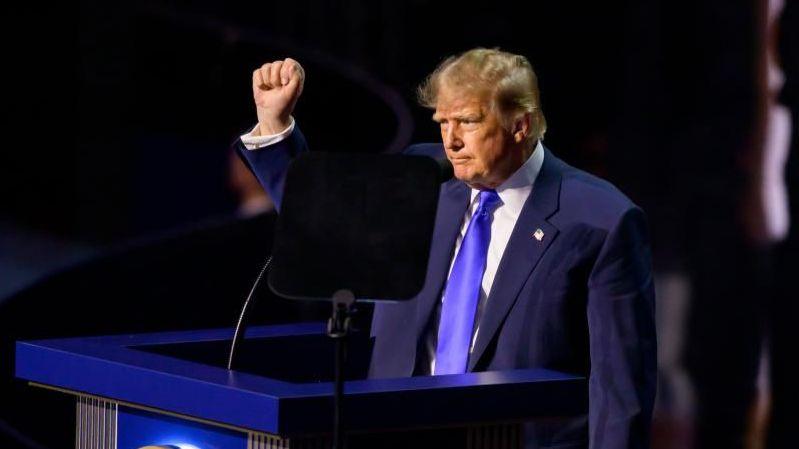
Iranian Stance – Iran’s lead negotiator announced that a promise from Washington must be honoured, or the price will be paid. The Islamic Republic has repeatedly criticised Washington’s commitments, citing repeated conflicts and failed negotiations.
Regional Ramifications – Iran’s insistence on controlling the strait has strained relationships with traditional allies such as Oman and Qatar, who have both played roles as mediators. Oman has protested Iran’s inclusion of a clause that would allow Tehran to negotiate the future administration of the strait with the Sultanate, a proposal that the UAE has rejected outright.
Potential Diplomatic Solutions – Former senior British diplomat Simon Gass suggests that a compromise might be reached if no tolls are imposed, but a fee structure that preserves Iranian authority over the waterway is possible. Nonetheless, both sides still believe they have come out of the conflict with the upper hand and expect the other to concede first.
Supporters of the truce argue it provides a realistic chance to prevent a full‑scale war, although many analysts remain sceptical due to overlapping misreadings and structural weaknesses of the agreement.
Ultimately, the conflict over the Strait of Hormuz represents more than a shipping lane dispute; it reflects a broader power struggle that may ignite a new chapter in Middle Eastern tensions.