In brief
As more than 1.4 million Muslims embark on this year's Hajj pilgrimage in Mecca, Saudi authorities are enforcing strict guidelines to protect pilgrims from soaring temperatures, following the tragic death of 1,300 people last year, attributed largely to heat exposure. With anticipated temperatures peaking at 44C (111F), the government has fortified measures including planting thousands of trees and installing over 400 cooling units throughout the city.
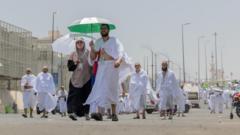
Children under 12 have been banned from attending, and officials are enforcing a stringent entry policy, with penalties for unauthorized pilgrims. More than 269,000 people have reportedly been turned away, primarily those without official permits, which restrict access to critical cooling amenities and shelter. The Hajj, a crucial religious observance for Muslims, mandates that every able adult must undertake the pilgrimage at least once if financially feasible. Pilgrims partake in various rites, including circling the sacred Kaaba and traveling to Mount Arafat.In response to the intense heat conditions, the Saudi health ministry has issued recommendations for pilgrims to stay adequately hydrated, avoid sun exposure during peak hours, and utilize umbrellas for protection. Enhanced shaded areas and advanced cooling technology in the Grand Mosque—alleged to be the world's largest—are part of efforts to create a safer environment for attendees.With the stakes high, authorities are utilizing modern technology to manage crowds and maintain safety during one of the most significant events in the Islamic calendar.