In brief
In a November referendum, Guinea‑Bissau’s citizens approved a constitution that grants the president unprecedented control over the government, allowing appointment of ministers and dissolution of parliament in crisis. The move, organized by the recent military junta that seized power after a disputed election, cuts parliamentary seats and reshapes electoral districts. Main opposition forces boycotted the vote, warning that the reforms concentrate too much authority in the president’s hands and erode democratic safeguards. Analysts argue that the revised charter risks entrenching authoritarian rule amid a fragile political landscape that has seen nine coups since independence. The new constitution sets the stage for December’s presidential and parliamentary elections, putting international observers on alert for a potential rollback of civilian governance.
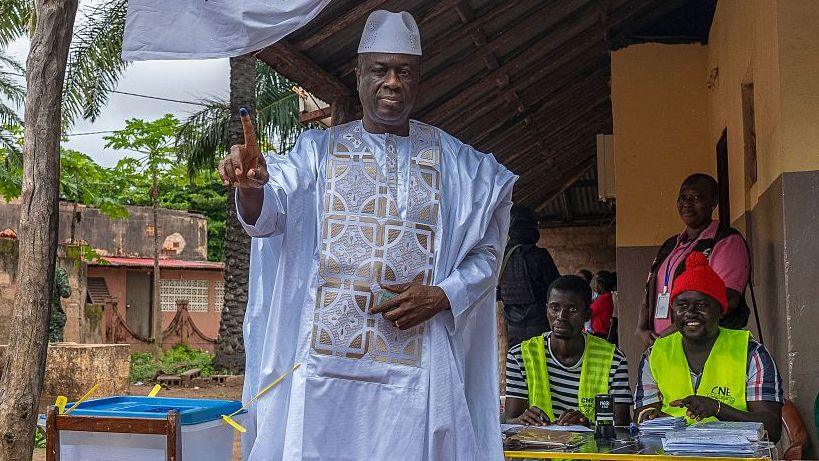
In a decisive referendum held last week, Guinea‑Bissau’s voters approved a revised constitution that dramatically strengthens presidential authority. The new charter enables the president to freely appoint and dismiss the prime minister along with cabinet ministers, create or abolish ministries, and even dissolve parliament in a situation deemed a grave political crisis.
The referendum, staged by the military junta that took control in November after a contested election, saw 70 per cent of voters in favour and 30 per cent opposed, with turnout hovering around sixty per cent. The military government contended that the changes are necessary to overcome chronic conflicts between the presidency and the prime minister that had repeatedly destabilised the nation.
The ruling army’s chief architect of the reform, Gen Horta N’Tat, pointed to the past nine coups and numerous governmental breakdowns as justification for bolstering the executive branch. The opposition, notably the African Party for the Independence of Guinea and Cape Verde (PAIGC), boycotted the vote, arguing that the new constitution would tilt the balance of power in favour of an authoritarian president.
The charter also reduces parliament’s size from 102 seats to 65 and shrinks electoral constituencies from 29 to 12. It adds requirements for presidential candidates, including a continuous five‑year residency in the country before filing. Political scientists warn that these amendments could entrench the military’s influence under the guise of civilian governance.
Internationally, the United Nations has labeled Guinea‑Bissau a “narco‑state” due to its strategic coastline, which facilitates drug trafficking. Regional organisations such as ECOWAS are urged to monitor the situation closely, as the constitution is slated for a revamp ahead of December’s election of a president and a full parliamentary slate, with its legitimacy to be tested in the crucible of the electoral process.