In brief
Firefighters have deployed around 2,000 troops to battle raging blazes across the Gironde countryside, straddling the coastline and the outer suburbs of Bordeaux. Ahead of an imminent 40‑°C heatwave, local officials warned that the heat and dry conditions could fanned more fires, putting the city’s residents and businesses at risk. While the city itself remains under no direct threat, smoke has cracked the air quality to dangerous levels, forcing mask‑wearing, evacuation of coastal camps, and the shuttering of restaurants and shops. Evacuation orders now cover 4,000 tourists near Lacanau, with an estimated 240 homes and businesses already lost, underscoring the unprecedented scale of the crisis.
Urgent Fires Erupt in Gironde as Heatwave Approaches
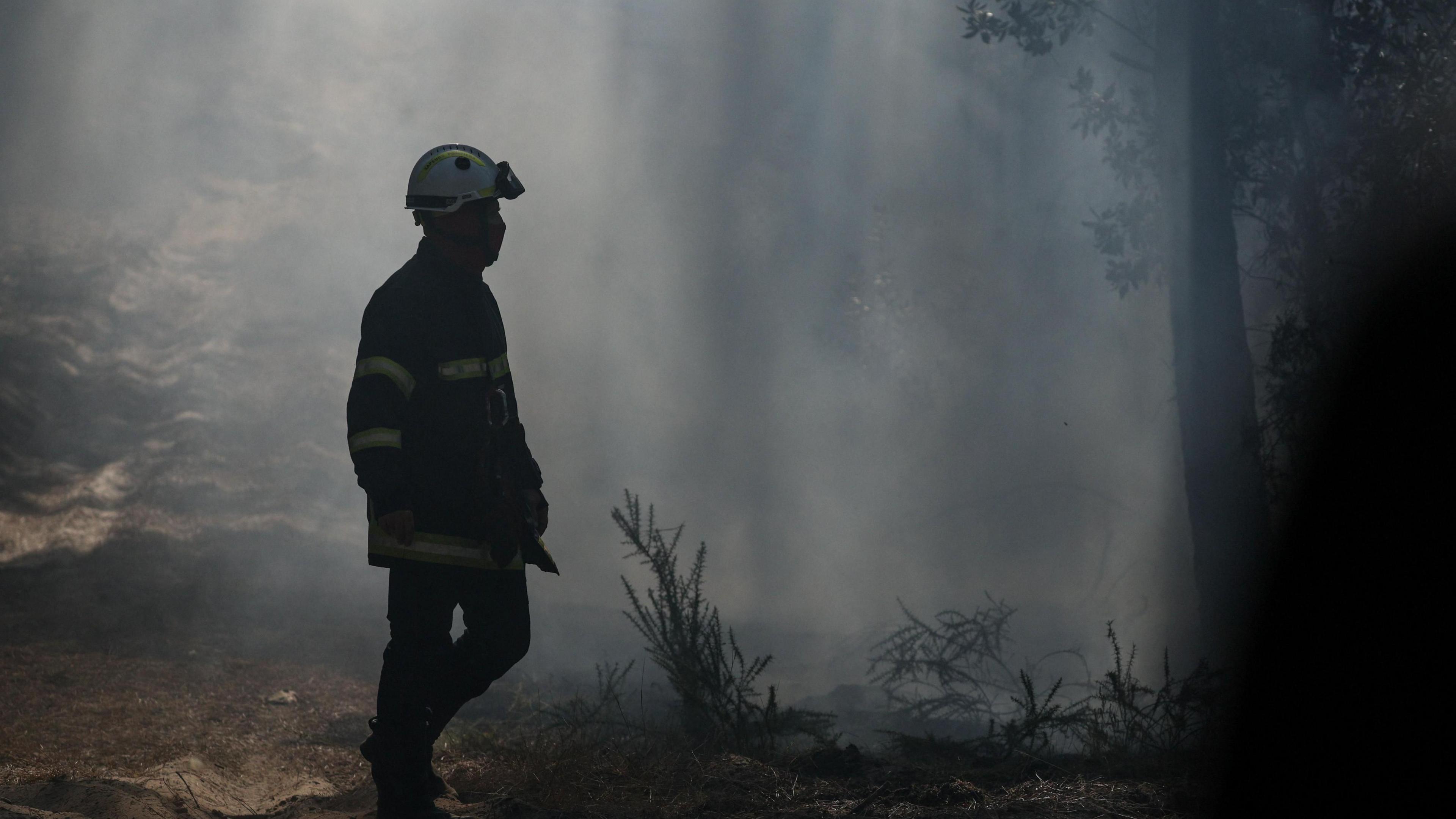
Firefighters in France are working around the clock to control the blaze that has swept through the Gironde region. Over 2,000 personnel have been sent to contain the flames that have been scorched across the countryside between the coastline and Bordeaux.
The national firefighters’ federation spokesman, Eric Brocardi, compared the fire to a “David against Goliath” struggle. He noted that four colleague firefighters died in the past weeks and warned that the weather conditions would not be favorable for containment.
Local authorities expect the summer’s fourth heatwave to begin around Wednesday, reaching temperatures of 40°C. That heat could worsen the situation, pushing air quality to hazardous levels, especially in the outskirts of Bordeaux.
In response, the prefect of Gironde ordered a new evacuation for all camping sites near Lacanau and instructed residents in neighbouring towns to prepare for sudden evacuation. Roughly 4,000 tourists have been told to leave the area, in addition to the 220,000 people evacuated across France in recent days.
So far, about 240 homes and houses have been destroyed. Firefighters began intervention in new hotspots by mid‑day, as the flames picked up again.
The air in and around Bordeaux has become so smoky that people are wearing masks and businesses are closing. President Emmanuel Macron described the situation as the “toughest wildfire since World War Two.” Air‑pollution officials urge residents to stay indoors.
Local tourism is suffering, with wineries on the west side of Bordeaux experiencing diminished footfall due to smoke. Despite rain helping to slow the fires around Sunday night, the hospitality sector faces a bleak summer.
Emergency services are exhausted but pressing on, as officials worry not only about commercial damages but also about homes that may be lost in the wildfires’ path.
While Bordeaux’s concrete streets may seem impervious, the wildfires demonstrate the destructive power of burnt forests in the region.
For further coverage, see the following links: