In brief
Ghana’s government halted a visit by South African President Cyril Ramaphosa, citing growing xenophobic unrest that has forced the repatriation of over 900 Ghanaian citizens. Pretoria’s spokesman stressed a commitment to deepening cooperation between the "sister nations" and said the trip would be re‑scheduled through diplomatic channels. The row erupted after videos of a Ghanaian man being told to "go fix his country" circulated online, and a disputed death of a Ghanaian migrant escalated tensions. Ghana has petitioned the African Union for a fact‑finding mission on irregular migration and warned that continued protests could isolate South Africa from the continent.
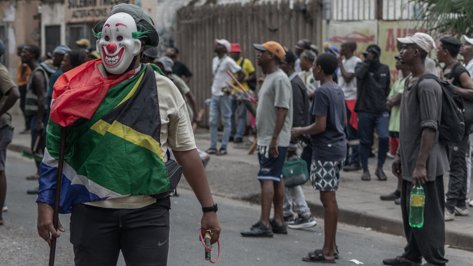
Ghana’s government announced it had postponed the visit of South African President Cyril Ramaphosa, scheduled for early August, after reports of xenophobic rallies forced the repatriation of more than 900 Ghanaian nationals from South Africa.
The decision was made after government spokesperson Felix Kwakye Ofosu cautioned that the visit would not proceed in light of the current climate of xenophobia. He said the Ghanaian Ministry had communicated that a postponement was the best course for now.
Presidential spokesman Vincent Magwenya told the BBC that South Africa’s stance was “unwavering commitment to deepening cooperation” between the two flag‑bearing nations and that the visit would be rescheduled through diplomatic channels. He added that it was not a state visit as Ghanaian officials had described it but the third in a series of bilateral meetings.
The row began when a viral video surfaced showing Ghanaian expatriate Emmanuel Asamoah confronted by protestors who told him to “go fix his country.” The video sparked anger in Ghana, where officials condemned the alleged killing of 40‑year‑old Bahiru Isak during a 30‑June anti‑immigration rally. South African authorities have denied the claim and stated that the only Ghanaian victim in the protests was 35‑year‑old Kwabena Boagen, whose death was unrelated to the demonstrations.
Ghana argues that most of its nationals in South Africa had legal residency papers, while Pretoria disputes this claim. Neither side has yet offered evidence to substantiate their positions. In May Ghana petitioned the African Union for a fact‑finding mission to investigate attacks on foreigners, citing violations of the African Continental Free Trade Area agreement.
Analysts warn that failure to curtail anti‑immigration protests could isolate South Africa politically on the continent. Although xenophobia is not new in South Africa, leaders from other African states have urged their compatriots not to forget the solidarity shown during the anti‑apartheid struggle and the country’s transition to democracy.