In brief
Gaza’s fragile healthcare system struggles with severe shortages of drugs and equipment, forcing thousands of patients to wait for lengthy security checks and approvals to leave the Strip for treatment abroad. Amina Abu al‑Kas, suffering from a fatal infection, died on 29 May after her family reported that her paperwork was only ready two weeks later, a stark illustration of the crisis. Health ministers and WHO officials say that more than 300 patients have died waiting, while 15,000 others are still on the evacuation list, and that only a handful of departures are allowed each week through Rafah and Kerem Shalom. The continuing blockade, coupled with restrictive Israeli security protocols, turns life‑saving care into a matter of hope and timing, and even the power supply to Gaza hospitals is unreliable, pushing surgeries to cancellation. The WHO, ICRC and local health authorities warn that without faster, unrestricted medical aid and evacuation processes more preventable deaths will follow.
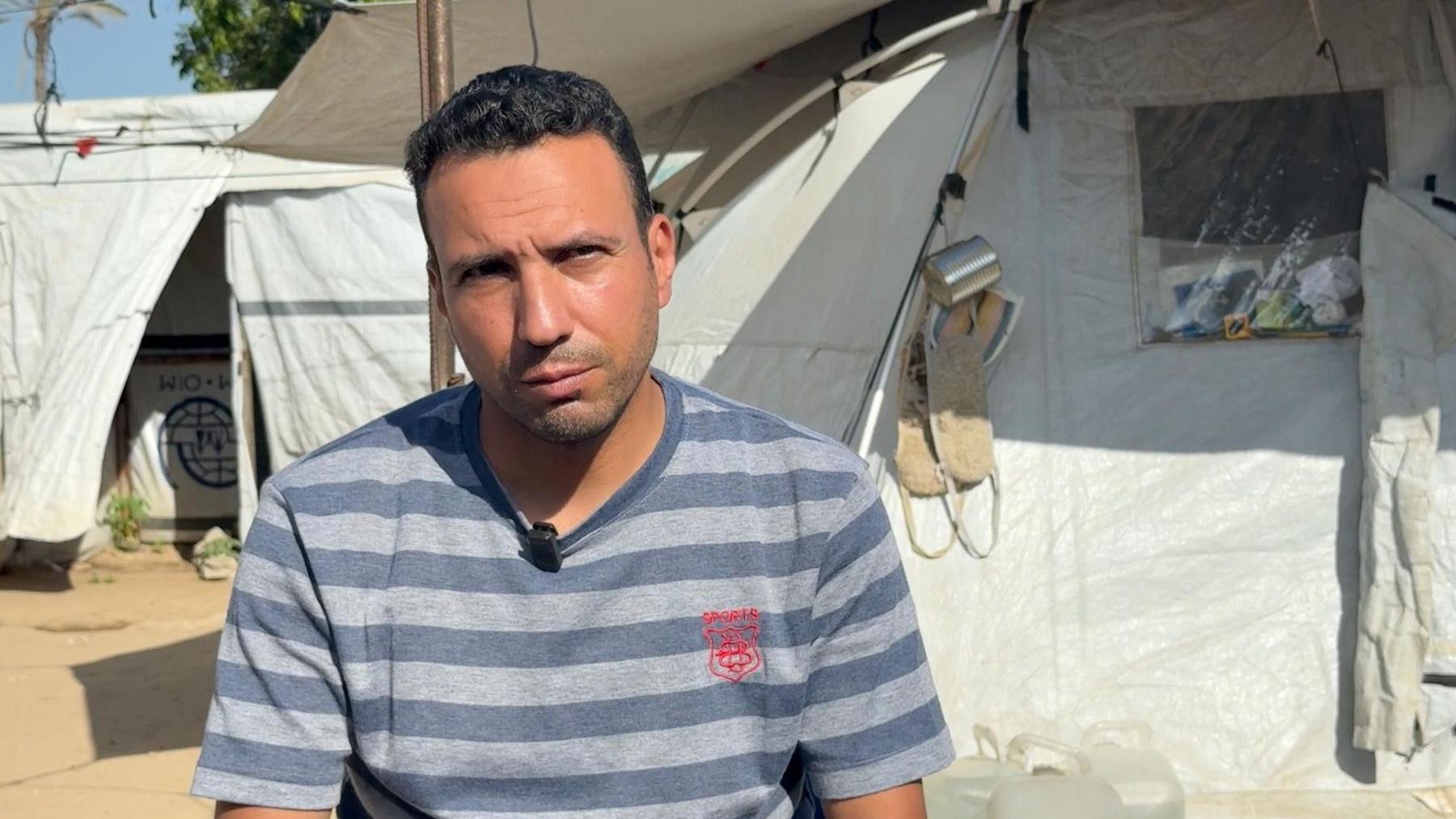
When Gaza’s medical board cleared Amina Abu al‑Kas for overseas treatment, her son Saber said the approval felt like a new beginning. The mother, suffering from a necrotising infection that had spread to her skull, could not receive the medicines or therapies doctors were missing locally. Her pain was unbearable and pain‑killers were banned by local doctors because of ulcers and inflammation.
Saber described waiting for the signal that her mother had finished security checks and had been accepted by a foreign country to travel. No such sign came for weeks. On 29 May Amina died, and only two weeks later her son received a call that her paperwork was complete – a painful reminder of delayed momentum.
The Hamas‑run Health Ministry reports over 300 fatalities among patients awaiting evacuation since the ceasefire began last October, while the World Health Organization notes that about 1,977 individuals have departed Gaza for treatment abroad. Every patient’s case requires approval from a host nation, successful visa processing, and security clearance by Israel, Egypt or Jordan – checkpoints that frequently stall indefinitely.
The Ministry of Health and WHO say the main delays stem from lengthy security reviews and Israeli limits on departures. Rafah is open only three days a week, Kerem Shalom to a single day a week. Israel’s civil‑affairs body, Cogat, requires official requests from a receiving country before any evacuation can start, a step that takes time because most countries have specific requirements or capacity limits.
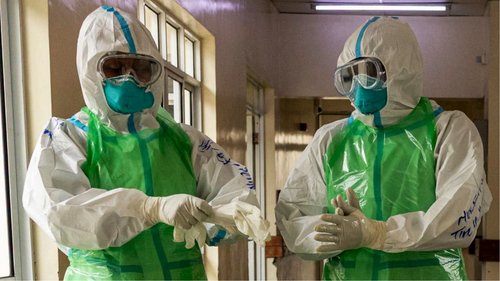
Despite claims that Israel has sandwiched enough medicine and equipment into Gaza since the ceasefire, hospitals still face shortages of basic consumables and advanced technology, and power generators often fail. A Gaza ministry engineer warned that if spare parts and new generators are not allowed, catastrophic delays will occur.
In desperation, some patients have reportedly paid unverified agents large sums to accelerate the process. WHO has issued warnings to avoid fraud, stating that “nothing can replace proper paperwork and approvals.”
Stories from the front line of Gaza’s hospitals echo the harsh reality: patients remain inside walls weakened by gunfire and strike damage, without reliable electricity or drugs, while families watch the clock count down to a possible death or a chance for departure. Every minute of delay represents a life that could have averted disease, a child who could have been treated, a hope that remained unfulfilled.