In brief
Australia is heading towards a pivotal election amid rising concerns over Donald Trump's potential second term, with tariffs and international relations complicating local politics. Prime Minister Anthony Albanese acknowledges the unpredictable nature of Trump, while the Labor Party seems to benefit from national unease, witnessing a surge in support over the opposition Coalition as the election drawing closer.
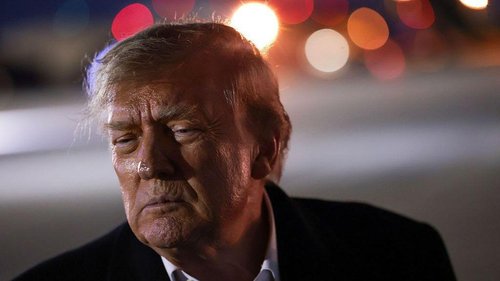
In Western Sydney, an audience of Stetson-wearing Australians are sitting in their fold-up camping chairs, swigging beers and eating a spiralled fried potato on a skewer known as a 'chip on a stick'. People here are enjoying bull rides, barrel racing, and bucking broncos. It feels like a slice of Americana in New South Wales, but that would miss the point that here, rodeo has become very much an outback Australian tradition in its own right.Recent months highlight how Australia’s political landscape has taken on a rodeo-like unpredictability, influenced significantly by global issues including the conflict in Europe, turmoil in the Middle East, and the looming threat of U.S. President Donald Trump instigating trade wars. Each day brings fresh challenges for campaigners who find themselves balancing local issues against these global shocks.Among the rodeo fans, Guy Algozzino declares "Tariffs are great," advocating for mandatory tariff protections, and expresses his admiration for Trump, stating, "Trump's the best thing America ever had." Others, like Jared Harris, view world politics as an ongoing spectacle, acknowledging its impact while opting to stay detached.Unlike the previous Trump administration, Australians now face direct consequences from Trump's policies, particularly his tariffs, which have been viewed as damaging to ally relations. Prime Minister Anthony Albanese criticized the tariffs as "not the act of a friend," reaffirming a commitment to refrain from retaliatory measures. As the nation approaches its federal election on May 3, candidates are eager to pivot focus to domestic matters—such as household expenses, healthcare, and housing—while grappling with a critical question: how should Australia engage with a volatile U.S. president? In the lead-up to the polls, Prime Minister Albanese's whirlwind campaign across six states appears to be resonating, with recent polling indicating a favorable turn for his Labor Party, now at 54% against the opposition Coalition's 47%. According to political analysts, this election has deviated from standard campaigning norms, with Trump’s influence prompting a deeper examination of Australia’s ties with the U.S., which has typically been taken for granted.Australia's relationship with the U.S. is under intense scrutiny, particularly given its military partnerships like Aukus, designed to counter China's rising threat in the Pacific. Recent developments have fueled anxiety about Canberra's reliance on Washington, with military exercises showcasing China's expanding presence nearby.Concerns have been further magnified by recent comments from Trump exhibiting a lack of familiarity with pivotal agreements like Aukus, leading to widespread apprehension among Australians regarding their future diplomatic relationship with the U.S.With Australia politically isolated, experts stress the need for continued alliances. Despite some contention over Trump’s presidency, many hold that supporting U.S. actions against adversaries aligns with Australian interests.Polling data indicates a shift in Australian sentiment towards Trump, with an increasing number of citizens perceiving his leadership as detrimental. This backdrop of uncertainty extends into the electoral discourse; when Albanese and opposition leader Peter Dutton faced off in a debate, the first question was about Trump, reflecting the gravity of his influence.Dutton, initially positioning himself as a Trump ally, is now recalibrating his stance to resonate with public sentiment, which favors a leader willing to stand firm against Trump rather than one who seeks friendship.As the election approaches, some analysts suggest that the challenges posed by Trump may fortuitously bolster Albanese's position among voters who prefer stability in uncertain times. Just months prior, Labor’s re-election seemed unlikely, but rising support reflects a shift in attitudes influenced by external pressures.Ultimately, regardless of the election’s outcome, Australia must navigate the future of its alliances amid evolving geopolitical realities, as it prepares for the next chapter in its leadership and international relations. Back at the rodeo, as the excitement builds, voters are left contemplating how their next leader will handle these turbulent waters.