In brief
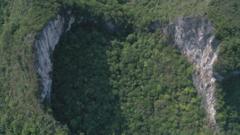
The sinkholes in southern China's Guangxi province have become a popular destination for thrill-seekers, featuring stunning ancient forests and rugged cliffs. Known as “tiankeng,” these geological marvels hide unique ecosystems that support a variety of rare species. While drone expeditions and guided tours have revealed their breathtaking depths, concerns are rising about balancing tourist influx with environmental preservation.
In an area where more than 300 sinkholes exist globally, Guangxi boasts a rich concentration of these pits, which serve as preserved time capsules of ancient flora and fauna. Attracting attention from adventurers like Rui and Michael, who recently descended into the depths, the sinkholes have transformed local economies. However, with increased visibility comes the risk of overdevelopment, prompting scientists like Dr. Lina Shen to advocate for careful conservation strategies. Efforts to maintain these ecologically significant sites are vital as they offer insights into both historical ecosystems and contemporary climate challenges.The vertical chasms serve as thrilling backdrops, but locals like Brother Fei see them as cherished resources. To protect the delicate habitats and their unique species, enhanced awareness and responsible tourism practices must be prioritized. As the adventure unfolds for visitors, the need to appreciate and safeguard these natural wonders continues to grow.These striking geological formations represent not just adventure but also invaluable scientific opportunities, emphasizing the importance of finding harmony between exploration and conservation efforts.