In brief
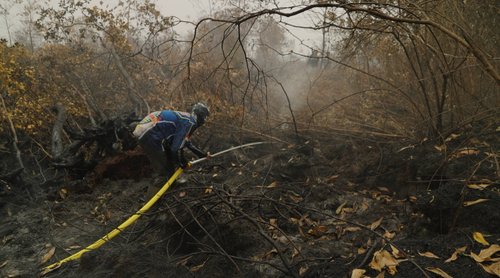
In late July 2026, a sudden spike in temperatures triggered a wave of wildfires across southern France. Military and civilian aircraft were dispatched to drop thousands of gallons of water on the flames. Aerial suppression helped reduce the spread in several villages and protected vital crops, but the fires remain under tight observation. Local authorities warn that daylight temperatures could still bring further flare‑ups and call for continued vigilance.
Southern France is once again battling a surge of wildfires, a casualty of an unprecedented heatwave that saw temperatures climb above 35°C (95°F) in many regions. The French Ministry of the Interior announced that a fleet of 18 aircraft, including both military squadrons and civilian firefighting jets, have been mobilised to drop water and fire suppressant across the most affected areas.
A local forestry officer, Jean‑Paul Martin, described the operation as “a critical intervention that has saved entire villages from burning.” The planes have been dropping an estimated 240,000 gallons of water so far, targeting heavily fueled pine forests near the Rhône valley and the agricultural plains of the Massif Central.
Despite the intensive efforts, the fires have spread over an area of roughly 12,000 hectares, and authorities remain on edge as temperatures are still expected to rise for several days. The Ministry has also called for increased traffic regulation in rural communities to limit ignition sources during the “boom-and-bust” weather pattern that follows until September.
The centers of Mende and Albi have reported minor casualties and a handful of evacuations, but no deaths so far. Residents assure that the emergency response teams have set up safe zones and are ready to mobilise further resources if the situation worsens.