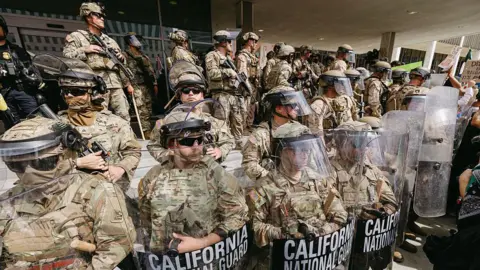
A federal judge on Wednesday blocked President Donald Trump's deployment of National Guard troops in Los Angeles and ordered the troops to be returned to the state governor's control.
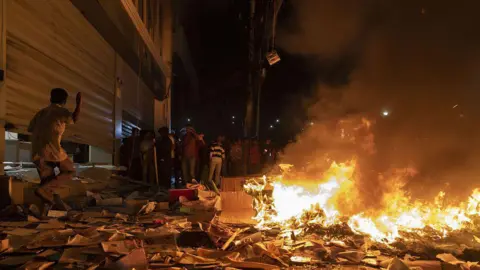
In June, Trump sent thousands of National Guard troops to the California city in the wake of protests over his administration ramping up immigration raids. U.S. District Judge Charles Breyer stated that the Trump administration had not proven the necessity for federal control over the state’s National Guard based on the protests against immigration.
Judge Breyer highlighted that the Trump administration retains control over 300 California National Guard troops that were federalized six months prior. He dismissed arguments from the administration that the courts should refrain from intervening in a president’s control of state National Guard troops during emergencies, stating, The Founders designed our government to be a system of checks and balances. Defendants, however, make clear that the only check they want is a blank one.
The judge’s order takes effect on December 15, providing the Trump administration time to appeal. White House spokeswoman Abigail Jackson expressed confidence in the administration's rightful authority to deploy troops during unrest, looking forward to a favorable outcome on appeal.
This decision comes amidst a backdrop of legal challenges against Trump's National Guard deployments in various cities, which have similarly faced scrutiny in courts. California Governor Gavin Newsom had previously filed a lawsuit against Trump in June, leading to mixed rulings in the case.
During a recent hearing, the judge questioned the necessity of maintaining troops in Los Angeles, especially as the nature of the crisis evolves. He expressed concern that the actions taken by the administration seem to create an unprecedented 'national police force' composed of state troops.
With the ongoing debate surrounding the deployment of National Guard troops, the situation in Los Angeles illustrates the conflict between state and federal governance, especially surrounding issues of immigration and public safety.