In brief
In an alarming development, two Indonesian peacekeepers have been killed by a roadside bomb in southern Lebanon, according to an initial investigation by UN peacekeeping chief Jean-Pierre Lacroix. The explosion occurred near Bani Hayyan, with another peacekeeper severely injured. This incident follows similar violence that resulted in another peacekeeper's death just a day prior. The UN forces are investigating the incidents amidst escalating tensions between Israel and Hezbollah, with accusations flying regarding the timing and responsibility for the attacks.
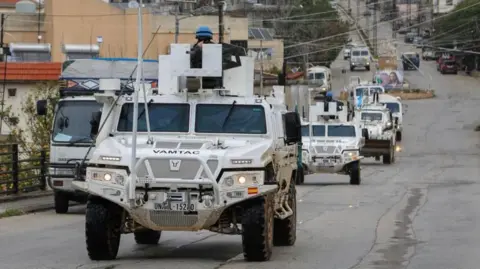
Two Indonesian peacekeepers were killed on Monday by a roadside explosion in southern Lebanon, UN peacekeeping chief Jean-Pierre Lacroix has said, citing the findings of an initial investigation. In a separate statement, the United Nations Interim Force in Lebanon (Unifil) said the explosion was of unknown origin and destroyed the peacekeepers' vehicle near Bani Hayyan. A third peacekeeper was severely injured in the explosion, and a fourth was hurt, Unifil said.This marks the second such fatal incident within 24 hours, as another Indonesian peacekeeper was killed on Sunday when a projectile of unknown origin exploded in Adchit Al Qusayr, southern Lebanon. Unifil has launched investigations into both incidents.The findings of an initial investigation into Monday's incident "point to a roadside explosion striking the convoy," Lacroix informed the UN Security Council. Their deaths were "most likely" caused by an IED (improvised explosive device), Stéphane Dujarric, spokesperson for the UN secretary-general, indicated. He also noted that the prior incident on Sunday was likely due to "an explosive that landed in the position that the Indonesians were holding." The fatalities come amid increased military action as the Israeli military announced plans to ramp up ground and air assaults against Hezbollah, an Iranian-backed group that has retaliated by firing rockets into Israel due to ongoing U.S.-Israeli strikes on Iran. In response to inquiries regarding the Bani Hayyan explosion, the Israel Defense Forces (IDF) stated it was not caused by their actions, claiming no IDF troops were present and asserting that no explosives were placed by them in the area. Indonesian government agency Antara identified the peacekeepers killed on Monday as Captain Zulmi Aditya Iskandar and First Sergeant Muhammad Nur Ichwan, while the one killed on Sunday was Chief Private Farizal Rhomadhon. Unifil extended its condolences to the families of the deceased and emphasized the importance of protecting soldiers serving on behalf of the international community. The UN peacekeeping force operates in Lebanon to maintain peace in a region fraught with tension since its establishment in 1978, with around 339 peacekeepers killed since then.