In brief
The U.S. Food and Drug Administration has cleared daraxonrasib, sold as Rasonque, for the treatment of pancreatic cancer after a late‑stage trial showed median survival rose from 6.6 to 13.2 months. The drug targets the mutated KRAS gene present in most pancreatic tumours, halting cancer growth. Granted Breakthrough Therapy status in 2025, the FDA approved Rasonque ahead of schedule owing to its unprecedented efficacy in a disease with high unmet need. Common side effects—rash, diarrhoea, nausea, fatigue—occur in 44% of patients, lower than the 57% seen with chemotherapy. Former US Senator Ben Sasse, himself battling stage‑four disease, reports tumour shrinkage on the treatment.
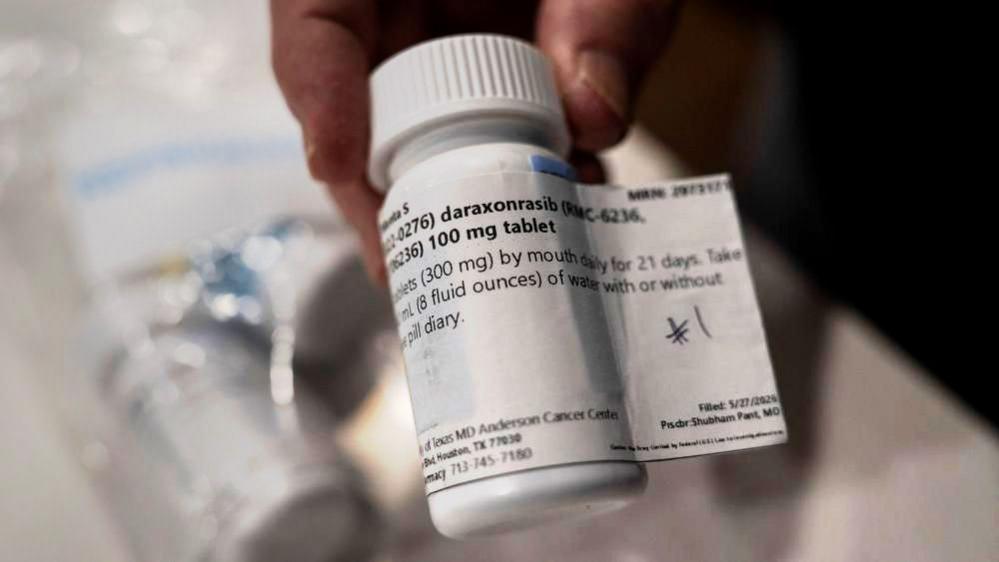
US FDA has approved the drug daraxonrasib, marketed as Rasonque, a breakthrough treatment for pancreatic cancer.
In a late‑stage trial with 500 patients, daily oral administration of daraxonrasib extended median overall survival to 13.2 months, compared with 6.6 months for standard chemotherapy.
The drug targets the mutated KRAS gene, present in over 90% of pancreatic tumours, thereby inhibiting tumour growth and spread.
Each year roughly 67,000 Americans are diagnosed with pancreatic cancer, which has the highest mortality rate among major cancers, the American Cancer Society reports.
FDA granted the drug a Breakthrough Therapy designation in 2025 and approved it six months ahead of the regulatory deadline because of unprecedented results in a high‑unmet‑need area.
Common side effects include rash, diarrhoea, nausea, fatigue and vomiting; 44% of patients on daraxonrasib experienced severe side effects, compared to 57.5% in the chemotherapy arm.
Former US Senator Ben Sasse reports that the drug has helped shrink his tumours while he is in treatment.