In brief
Scientists are pioneering a new era in autoimmune disease treatment by reprogramming dysfunctional immune systems rather than merely suppressing them. This novel approach seeks to provide more effective outcomes for diseases like rheumatoid arthritis, multiple sclerosis, and lupus. Early results from experimental therapies, such as CAR-T therapy, show significant promise in stabilizing patients who have not seen success with existing treatments. Experts believe these advancements could lead to improved, more precise therapy options in the coming years.
Scientists are venturing into groundbreaking treatment strategies for autoimmune diseases such as rheumatoid arthritis, multiple sclerosis, and lupus, focusing on reprogramming the immune systems instead of simply managing symptoms. Traditional treatments often involve suppressing overactive immune cells, which doesn’t tackle the root causes, leading to a reliance on long-term medication with severe side effects.
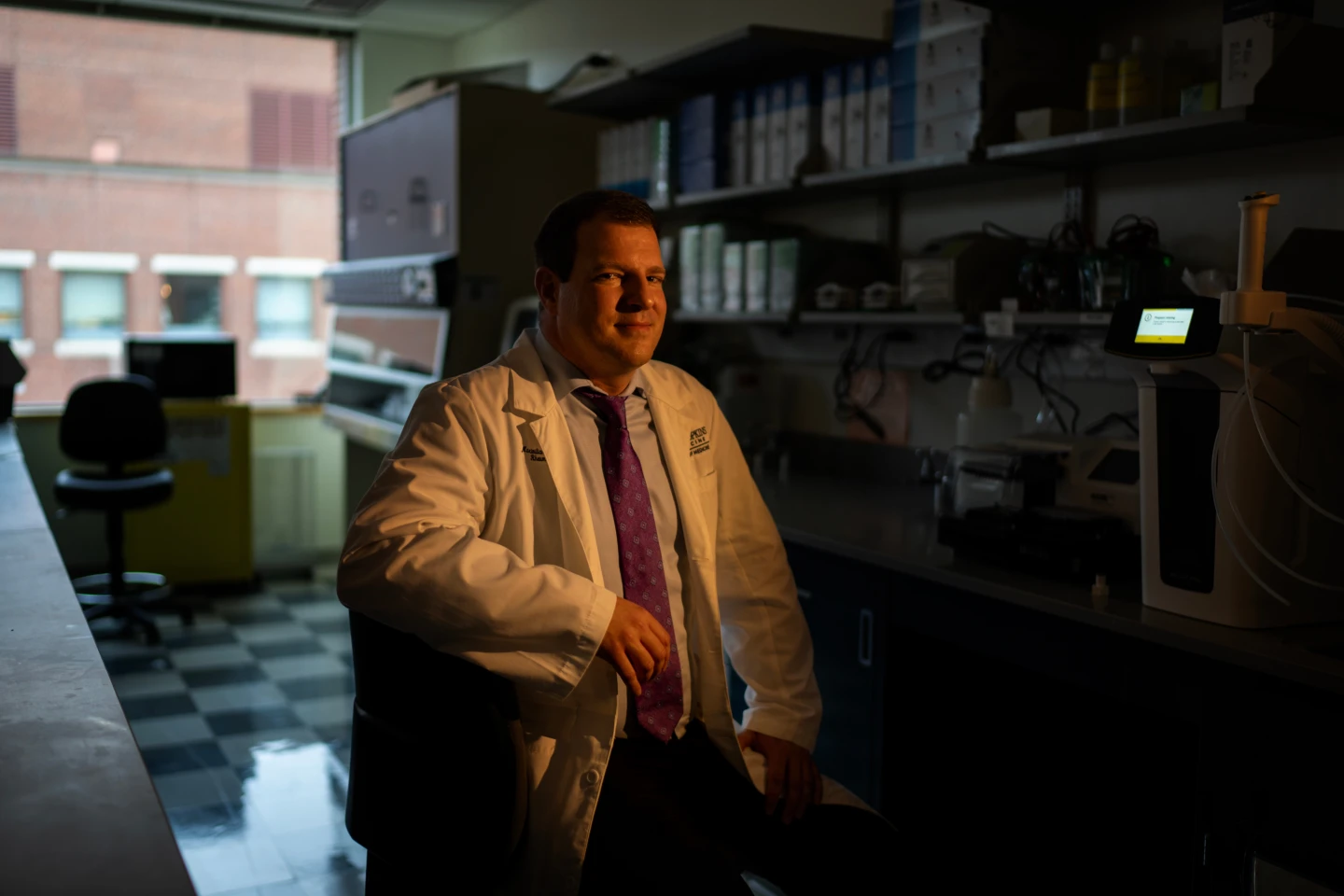
Dr. Maximilian Konig from Johns Hopkins University, engaged in studying new therapies, says, “We’re entering a new era,” highlighting the potential control these strategies could provide over these challenging diseases.
The experimental approaches include modifying the immune cells that are malfunctioning, aiming for precision and efficacy over existing therapies. One such experimental treatment is CAR-T therapy, originally developed to treat blood cancers. Early trials have resulted in remarkable outcomes for patients who have exhausted other options. Mileydy Gonzalez, a lupus patient, shared her transformational experience after undergoing such a treatment, expressing a return to her normal life after suffering debilitating effects from her illness.
Researchers are also exploring other strategies, including utilizing messenger RNA (mRNA) technology to instruct immune cells and increase their effectiveness against autoimmune conditions. The path forward involves immense research, addressing the safety and longevity of these therapies, but the future holds optimism with the potential for reversing autoimmune effects.