In brief
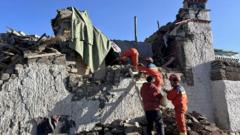
Rescue teams worked tirelessly through the night in Tibet following a catastrophic earthquake that has resulted in at least 126 fatalities and the destruction of over 3,000 buildings. The magnitude 7.1 tremor struck on Tuesday morning near the base of the Himalayas, triggering significant aftershocks and leaving 188 people injured.
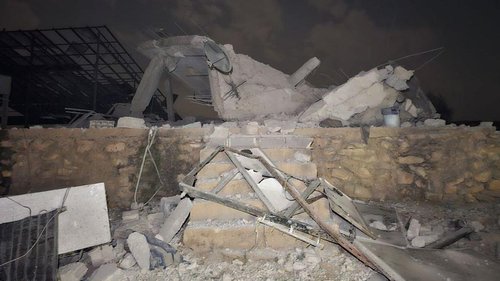
As the search for survivors continues, the region is facing a bitter cold, with temperatures expected to plunge to -16C, increasing the urgency of rescue operations. Eyewitness accounts describe extensive damage, particularly in Shigatse city where collapsed structures litter the streets. Local supermarket owner, Sangji Dangzhi, noted how many traditional dirt homes failed to withstand the quake’s force. Chinese state media reported that more than 3,600 buildings were damaged, leaving countless people without shelter. Workers and volunteers are tirelessly distributing blankets and essentials, but the region’s power and water supply have been disrupted. Following the quake, over 40 aftershocks added to the sense of upheaval, adding to fears of more significant seismic events.In an official response, President Xi Jinping has ordered comprehensive search and rescue missions while local authorities grapple with the immediate repercussions of this tragedy. The Dalai Lama expressed his sorrow at the news, extending prayers for the lives lost and wishes for healing to the injured.Tingri county, where the quake's epicenter lies, is a well-known starting point for climbers heading to Mount Everest, though recent tours have been suspended due to safety concerns. Shigatse, with a population of 800,000, is critical to the cultural heritage of Tibetan Buddhism. Despite the severe impact in Tibet, neighboring Nepal reported no major damage or casualties. The tremors were felt widely, prompting memories of a catastrophic earthquake in 2015 that devastated the region. Amid ongoing concerns, local residents remain wary of potential aftershocks as the rescue efforts progress.