In brief
The comments sparked widespread criticism, leading to Sheargold’s dismissal and calls for greater respect in sports commentary.
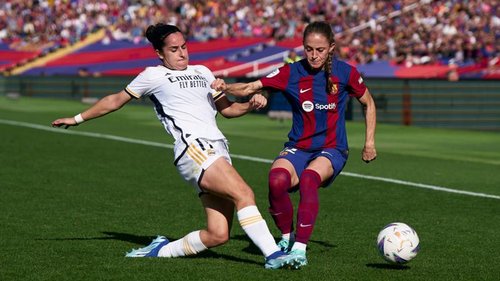
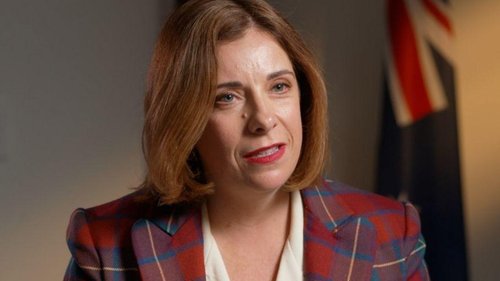
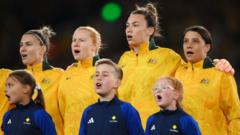
In a significant turn of events, Australian radio presenter Marty Sheargold has been let go from his position at Triple M after making offensive remarks about the Matildas, Australia’s women’s football team. His comments, which drew widespread backlash, were deemed misogynistic and disrespectful to the talented athletes who achieved a historic semi-final spot in the 2023 Women’s World Cup.During his Monday afternoon drivetime show, Sheargold compared the Matildas players to "year 10 girls" and insinuated their matches were unexciting. His co-hosts laughed at his comments, prompting further scrutiny of the conversation’s tone. Sheargold later stated, “I'm sorry to undermine the whole sport, but that's what I think of it.” His critiques continued with dismissive comments regarding women's tournaments, resulting in a viral fallout.Sheargold was initially scheduled to return to the airwaves on Wednesday following an apology, but he did not show up for his slot. Following his comments and subsequent backlash, Southern Cross Austereo (SCA), Triple M’s parent company, announced that Sheargold and the station had decided to "mutually part ways." The company emphasized its commitment to uphold standards that resonate positively with listeners and stakeholders.Sport Minister Anika Wells responded to the incident, condemning the comments as "boorish, boring and wrong." She highlighted the growing support and viewership surrounding women’s sports in Australia, particularly referencing the record-breaking television ratings achieved during the Matildas' matches in the recent World Cup.Criticism of Sheargold also came from within the sports community, including Australian Olympian Ambrosia Malone, who expressed concern over the impact of such remarks on young girls. Football Australia echoed these sentiments, stating the comments were "unacceptable" and further contributing to a crucial discourse on the responsibility of media figures in discussing women's sports respectfully.This incident serves as a reminder of the ongoing challenges faced by women's athletics and the crucial role media representations play in shaping public perception and support.