In brief
Recent data shows significant strides in the installation of fast chargers, yet charging anxiety remains prevalent among U.S. consumers. A new poll indicates that nearly 40% of Americans cite range anxiety and charging time as primary deterrents for EV purchases. Advocates like Daphne Dixon actively work to change perceptions by documenting their travels and highlighting the growing number of chargers. However, cost remains the primary barrier, as federal incentives are set to expire, further complicating decisions for potential buyers.
KENT, Conn. (AP) — Concerns about finding chargers for electric vehicles are still prevalent among many Americans, despite a marked increase in the number of fast charging stations this year. An Associated Press analysis reports that over 12,000 fast chargers were added near U.S. highways in just one year, improving accessibility for EV owners.
However, a new poll from The Associated Press-NORC Center for Public Affairs Research and the Energy Policy Institute at the University of Chicago reveals that about 40% of U.S. adults still view range and charging issues as significant obstacles to purchasing EVs. This follows years of skepticism regarding the viability of electric vehicles for long trips.
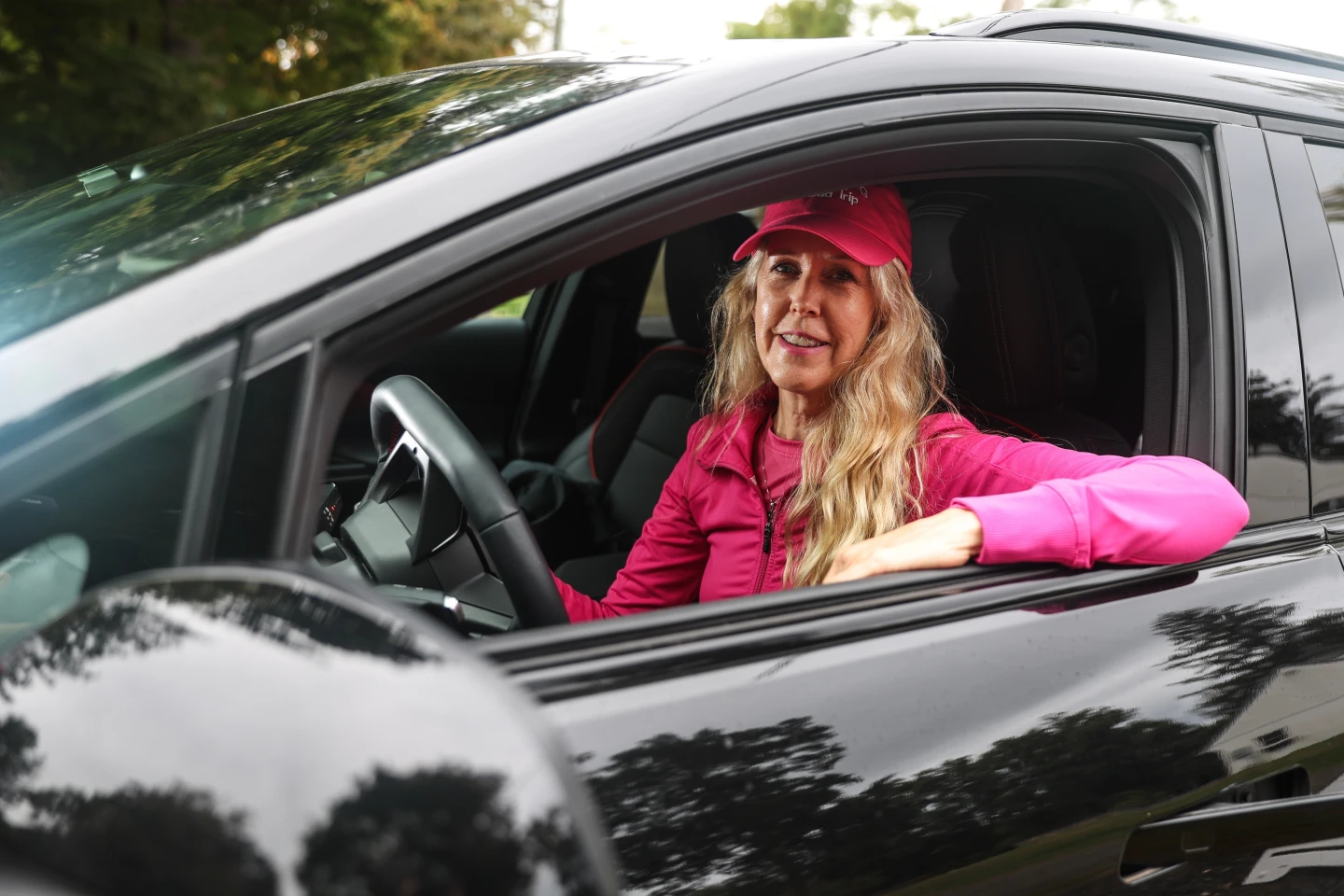
Daphne Dixon, an advocate for clean transportation, has attempted to dispel these myths through her cross-country travels in an EV. She emphasizes that charging stations are being built rapidly, aiming to shift public perception. Still, the high initial cost of electric vehicles remains a substantial barrier for many potential buyers.
Adding to the complexities, a pushback on federal incentives recently saw plans for federal funding to support charging infrastructure come under threat. Connecticut plans to invest $1.3 million to build new chargers, but ongoing concerns regarding affordability impede wider EV adoption.
Surveys indicate nearly 70% of the length of the top ten interstates is now within 10 miles of a fast charger, which is a significant improvement compared to previous years. Yet, public perception lags behind actual data regarding the accessibility of charging stations.
As electric vehicle adoption grows—holding nearly 8% of the U.S. market share in 2024—long-term savings may appeal to some buyers, yet immediate price concerns remain the primary factor deterring potential customers.
EV advocates emphasize that everyday driving patterns typically fit well within the capabilities of modern electric vehicles, making them a feasible option for most drivers.