In brief
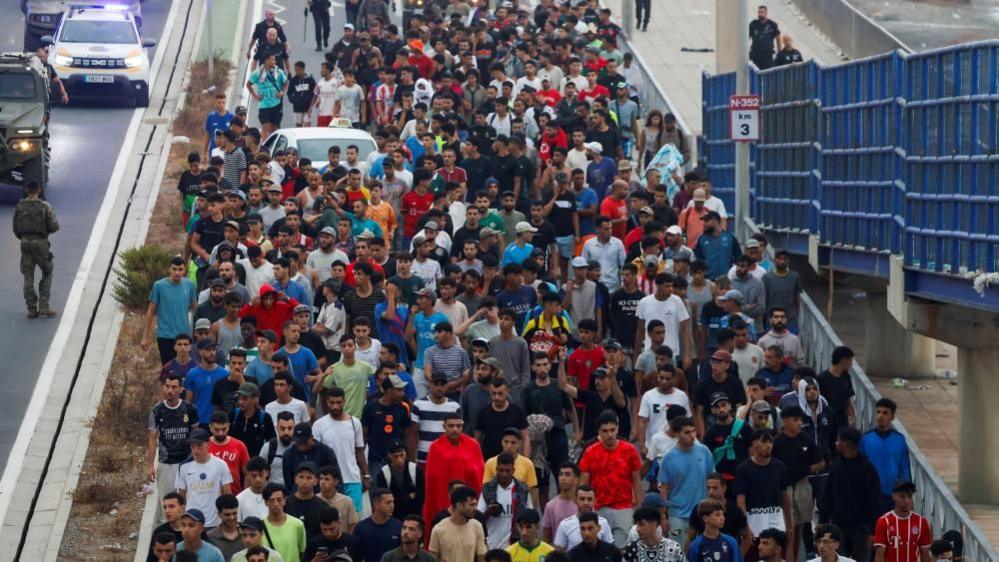
A surge of almost 60,000 migrants entered Spain’s enclave of Ceuta from Morocco on 30 July, killing more than 60 people. In response, the European Union scheduled an emergency meeting and 22 member states signed a joint letter urging stronger border controls. Spain’s prime minister says the border has been fully secured and most migrants have already left Ceuta, but the crisis prompted several European leaders to question the Schengen arrangement and consider temporary border checks. The talks aim to coordinate a comprehensive response to the perceived “hybrid threat” of misinformation that fuels further illegal entries.
The European Union will hold an emergency meeting this Tuesday to address the sudden influx of almost 60,000 migrants who crossed into Spain’s territory of Ceuta from Morocco on 30 July, a wave that has also killed at least 67 people.
Twenty‑two member states signed a joint letter asking for border‑strengthening measures and warning that the perception the EU borders can be breached could fuel more illegal entries and undermine collective migration policy.
Spain’s Prime Minister Pedro Sánchez has said the border is fully secured and that most migrants have already left Ceuta, but the crisis prompted several European leaders—including Italy, Finland, Denmark and France—to question the EU’s Schengen arrangements and consider temporary border checks.
In a separate note to EU Commissioner Ursula von der Leyen, Sánchez criticized other governments for “prejudice, fake news, ignorance, or political interest” and insisted that Ceuta is not part of the Schengen Area, a point that reshaped the diplomatic debate.
The emergency talks aim to coordinate a holistic response, address the “hybrid threat” of misinformation that partly fuels the crisis, and reaffirm the EU’s shared commitment to orderly migration regulation.