In brief
The Dubai chewy cookie, featuring pistachio cream and knafeh shreds stuffed inside a chocolate marshmallow, is taking South Korea by storm. With skyrocketing demand leading to the creation of tracking maps for vendors and reported ingredient shortages, this dessert trend has captivated the nation, drawing the attention of restaurants and convenience stores alike.
You must have heard of Dubai chocolate: the sticky, indulgent confectionary filled with pistachio cream, tahini, and shreds of knafeh pastry, which has become a global sensation.
Now the decadent bar has inspired South Korea's latest dessert craze. The Dubai chewy cookie has been selling like wildfire - and even restaurants that don't usually offer baked goods are trying to get a nibble of the market.
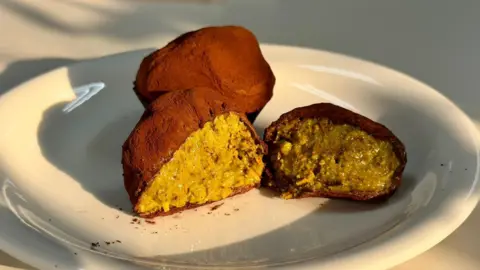
Despite its name, the cookie's texture more closely resembles a rice cake, and is made by stuffing pistachio cream and knafeh shreds into a chocolate marshmallow.
Shops are selling hundreds of cookies within minutes, and this frenzy has sent prices of key ingredients surging, local media reported.
This South Korean twist on the viral Dubai dessert first took off last September, after Jang Won-young from the girl band Ive posted a photograph of the chewy cookie on Instagram.
While they currently sell for between 5,000 ($3; £2.5) and 10,000 won, prices are expected to climb due to strong demand.
Apart from dessert shops and bakeries, other restaurants - from sushi bars to cold-noodle shops - are also now offering the dessert.
Local convenience store chain CU launched its Dubai chewy rice cake in October, selling approximately 1.8 million pieces in the last few months.
Our manufacturing plant's production capacity cannot keep up with demand, a company representative told Yonhap News.
So obsessed are the South Koreans with the cookie that someone even created a map tracking shops selling the dessert, as well as their stock levels, in real time.
Some stores have started imposing limits on the number of cookies each customer can buy. This trend has also sparked online chatter among gig workers about whether hardware stores and cleaning companies should cash in on Dubai chewy cookies, according to The Korea Herald.
The surge in demand has also pushed the price of pistachios up, with reports indicating a major supermarket chain raised prices by 20% this year.
Counterfeits have started appearing, leading consumers to call them out in online reviews. A buyer stated, I bought two for 11,000 Korean won, but there's no knafeh, and the exterior isn't marshmallow. It's heartbreaking, as quoted by The Chosun Daily.
Several food critics attribute the cookie's popularity in South Korea to its thick and dense texture. Food critic Lee Yong-jae noted, It reflects Korean food culture, where visual overwhelmingness matters more than balance or harmony of ingredients and flavours, in comments to The Chosun Daily.