In brief
Israel’s golden date orchards in the Jordan Valley are poised on the brink of an economic shock as the UK introduces the first major Western ban on settlement goods. Settler farmers like Avigdor Arbel see the move as a moral crackdown, yet plan to pivot to other markets. The ban echoes a growing European response to the illegal expansion of settlements—further inflaming tensions amid a backdrop of violence and water scarcity. While Palestine’s water‑starved growers lament shortages, Israeli officials point to a fresh series of counter‑measures, including the closure of the British consulate. The new policy raises questions about enforcement, trade transparency, and the future of the contested West Bank economy.
Heart of the Jordan Valley: Dates, Diplomacy, and the UK Ban
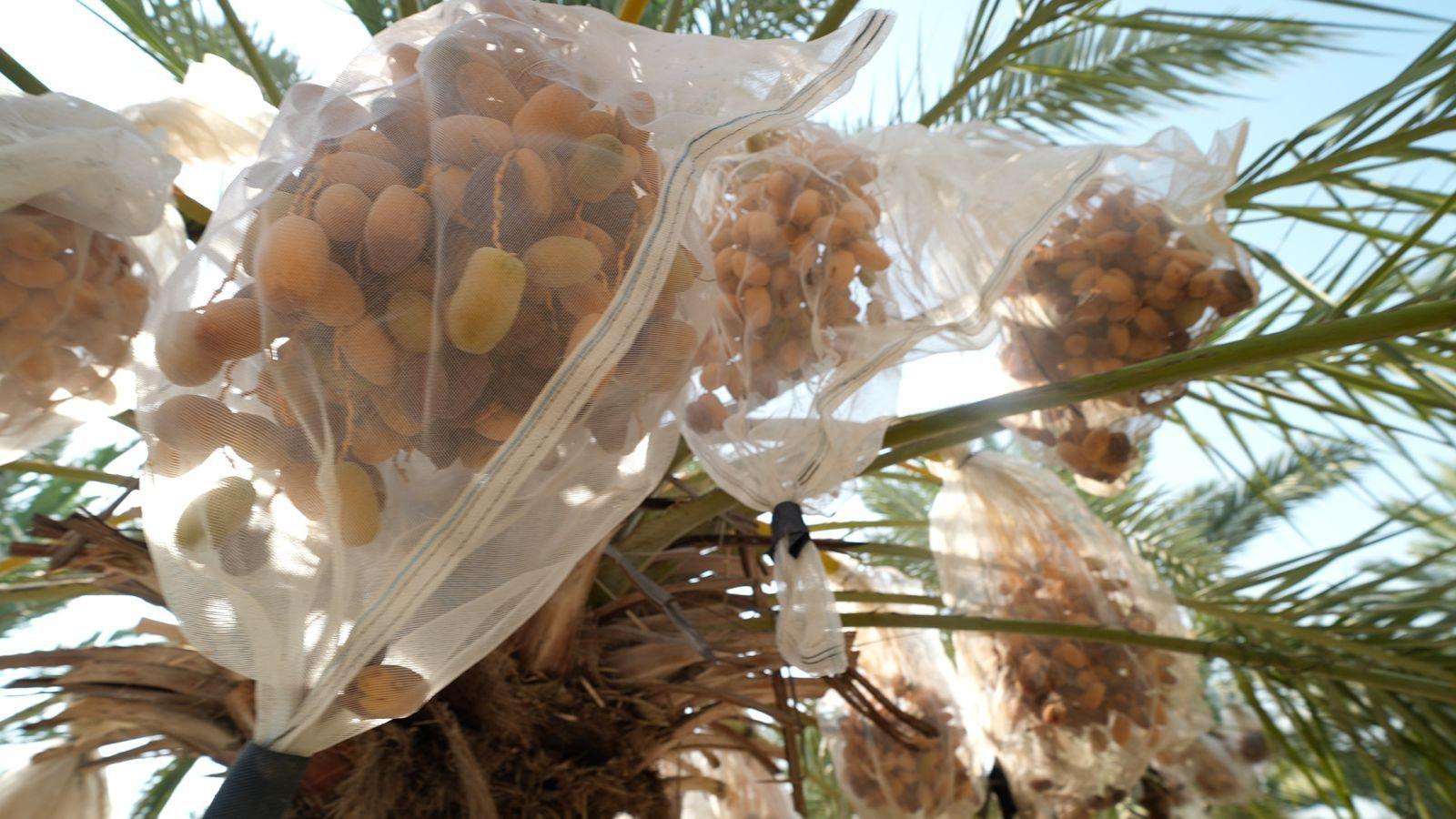
The Jordan Valley’s verdant date palms sway under a soft summer sun, their fruit contrasting sharply with the political heat that surrounds them. This year, Israeli growers are preparing for a promising harvest while also bracing for the fallout of a new United Kingdom policy that bans the import of goods made in Israeli settlements, a move that marks the first major Western sanction in the region.
The U.K. statement follows similar commitments by Canada, Denmark, Finland, France, Iceland, Ireland, Norway, Poland, Portugal, Spain, and Sweden. These countries are either planning national restrictions or backing European measures designed to limit trade with settlement produce. Palestinian farmers in the valley, who themselves suffer from chronic water shortages, have welcomed the decision, viewing it as a chance to level the playing field.
Settler voices: “It’s really disgusting”
Avigdor Arbel, a date farmer in the settlement of Mesua, expressed the settler community’s anger. “The boycotts are really disgusting,” he said. He explained that his produce—primarily Medjool dates—sells across Europe, the US, and increasingly India. Even with a looming U.K. ban, Arbel claims the sector is already “ready for any new UK ban on settler goods.” He added, “If pressure forces us to stop selling in Europe, we’ll find other markets.”
Arbel’s remark underscored a deeper divide: while settler farms thrive on international demand, Palestinian growers struggle with restricted access to water and certification. In al‑Ouja, Palestinian farmer Abdul Halim Abu Omar criticized the state of the fruit, lamenting that “half of the date palms have no fruit at all because of lack of water.” The dispute over water rights has intensified over the years, with Israeli authorities often prioritising settlers for water allocation.
The Enforcement Question
The U.K.’s new regulatory framework will likely intensify scrutiny of product origins. A Global Echo report noted that items sold in Europe sometimes carried misleading labels, claiming an Israeli origin when in fact they came from settlements. Under the ban, “the shipment would be returned” and a financial penalty applied instead of merely a fine. This creates a self‑enforcing mechanism that pushes private sellers out of the legal gray area.
Violence and the Larger Context
The sanctions arrive amid reports of escalating settler‑led violence. In January 2026, a village of 600 residents fled Ras Ein al‑Ouja after repeated harassment, while a later raid in Khirbet Humsa involved a brutal assault on a Palestinian shepherd. Israel’s Foreign Minister Gideon Saar swiftly condemns the U.K. move as “morally distorted” and announces a range of counter‑measures, including the closure of the British consulate in East Jerusalem.
The U.K.’s policy change signifies a broader shift in European attitudes, echoing the International Court of Justice’s 2024 advisory opinion that Israel’s occupation of the West Bank is unlawful. This move may help curb settlement expansion, but it also risks further inflaming the fragile diplomatic landscape in the region.
Looking Ahead
With international scrutiny higher than ever, the Jordan Valley’s date farms—whether settler or Palestinian—stand at a crossroads. While Israeli farmers plan alternate routes to markets, Palestinian growers hope for a future that grants equitable water rights and equal market access. The U.K. ban’s effectiveness will hinge on enforcement, cooperation from trading partners and how the broader international community responds to the ongoing conflict in this patch of contested land.