In brief
A coalition of Democratic state attorneys general has filed a lawsuit to allow access to a federal contingency fund to prevent a disruption in SNAP benefits as the government shutdown hits critical levels. The lawsuit argues that tens of millions of Americans rely on these benefits, and without them, families could face dire food insecurity. While some states are mobilizing efforts to provide temporary aid, the situation remains precarious as SNAP funds are expected to run dry soon.
A new lawsuit by Democratic state officials Tuesday seeks to uncork emergency money to help tens of millions of Americans keep buying food for their families after federal SNAP funding is expected to run dry this Saturday due to the U.S. government shutdown.
The Supplemental Nutrition Assistance Program, or SNAP, presently assists about one in eight Americans buy groceries. A halt to SNAP benefits would leave a gaping hole in the country’s safety net. Vulnerable families could also see federal funds disappear for various other programs, from early childhood education to support for mothers caring for newborns through the WIC program.
Democratic officials have rallied attorneys general from 22 states and the District of Columbia, alongside three governors, to challenge the federal administration's failure to extend SNAP benefits. They argue that approximately $5 billion in federal contingency funds could maintain SNAP assistance for over half a month. Despite assurance from President Trump's administration that these funds would be used, a memo recently claimed that such use of the funds was not legally permissible.
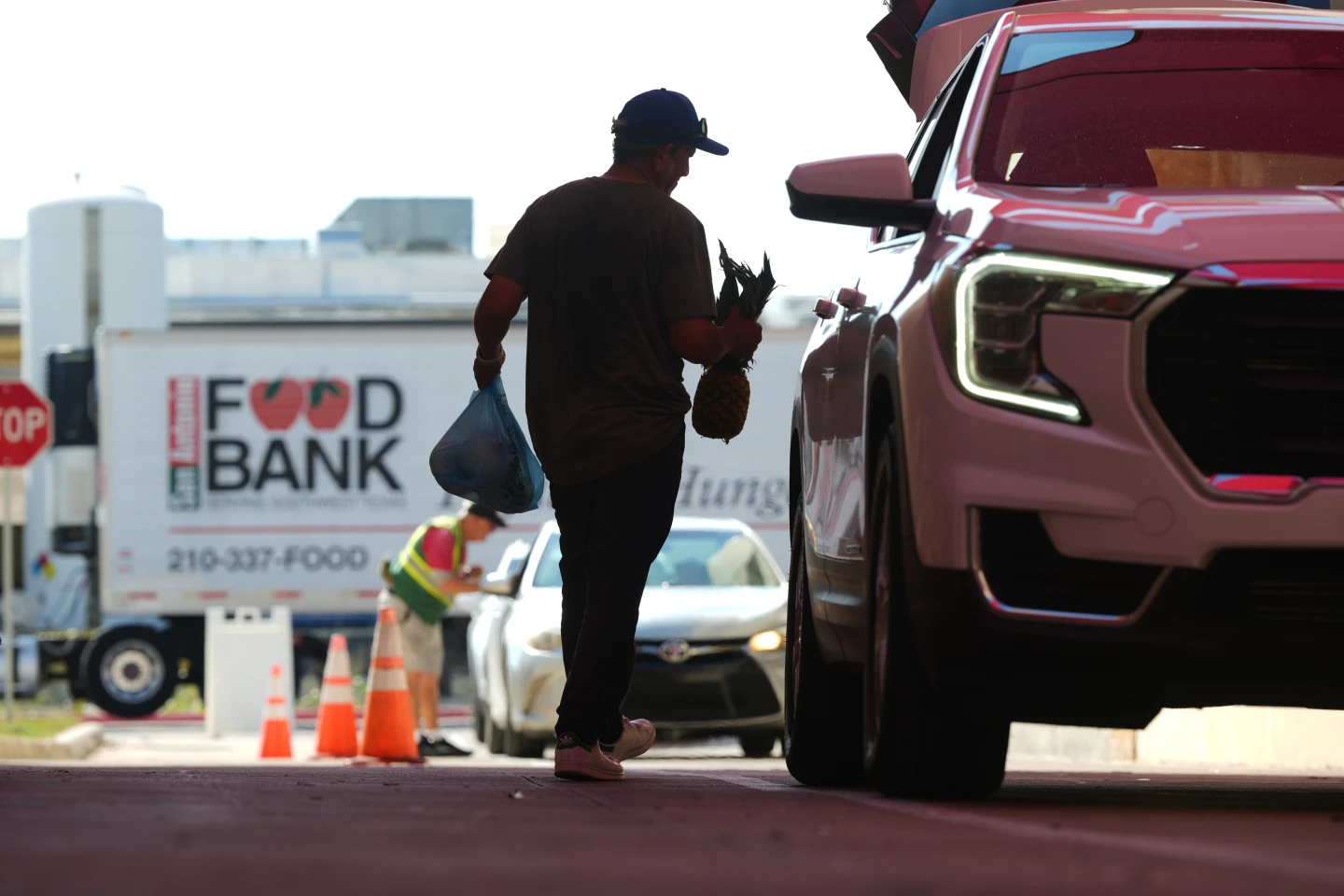
The federal government intends to continue supporting SNAP beneficiaries and is scrutinizing the legal means to do so. However, many beneficiaries have voiced fears that the impending lapse could force them into difficult situations where they must choose between food and other essential bills. Food banks across the nation are bracing for an influx of demand as they, too, grapple with reduced federal support.
The Democratic coalition underscores the urgency of the matter, asserting that the administration has an obligation to maintain benefits as long as funding is available. Meanwhile, a letter penned by 19 Republican state attorneys general calls for the passing of a “clean continuing resolution” to safeguard SNAP funding.
In light of looming SNAP benefit cuts, various states are stepping up to fill the anticipated void. Assistance initiatives have been announced in Louisiana, Vermont, Virginia, and Rhode Island, yet many officials confess they lack the logistical capacity to entirely replicate federal support.
Despite these hurdles, states such as New Hampshire, Minnesota, California, New Mexico, Connecticut, New York, Rhode Island, and West Virginia are actively preparing additional funding for food banks and pantries. Individual state governments are devising their contingency plans, and some have even mobilized National Guard troops to assist in distributing food supplies, albeit with caution due to potential impacts on community trust.