In brief
The shift to competency‑based education has pushed Kenya’s 2,000 rural schools toward closure, leaving places like Kaliluni Primary with fewer than ten students. Parents must now send their children several kilometres farther, while teachers are reassigned to larger institutions. The government cites declining enrolment and a minimum‑size rule of 45 pupils; critics warn the move will worsen overcrowding elsewhere. Meanwhile, rural communities struggle with limited transport, dwindling families, and a lack of school‑resources. The lesson is clear: reforms need better planning and investment or the rural education system risks collapse.
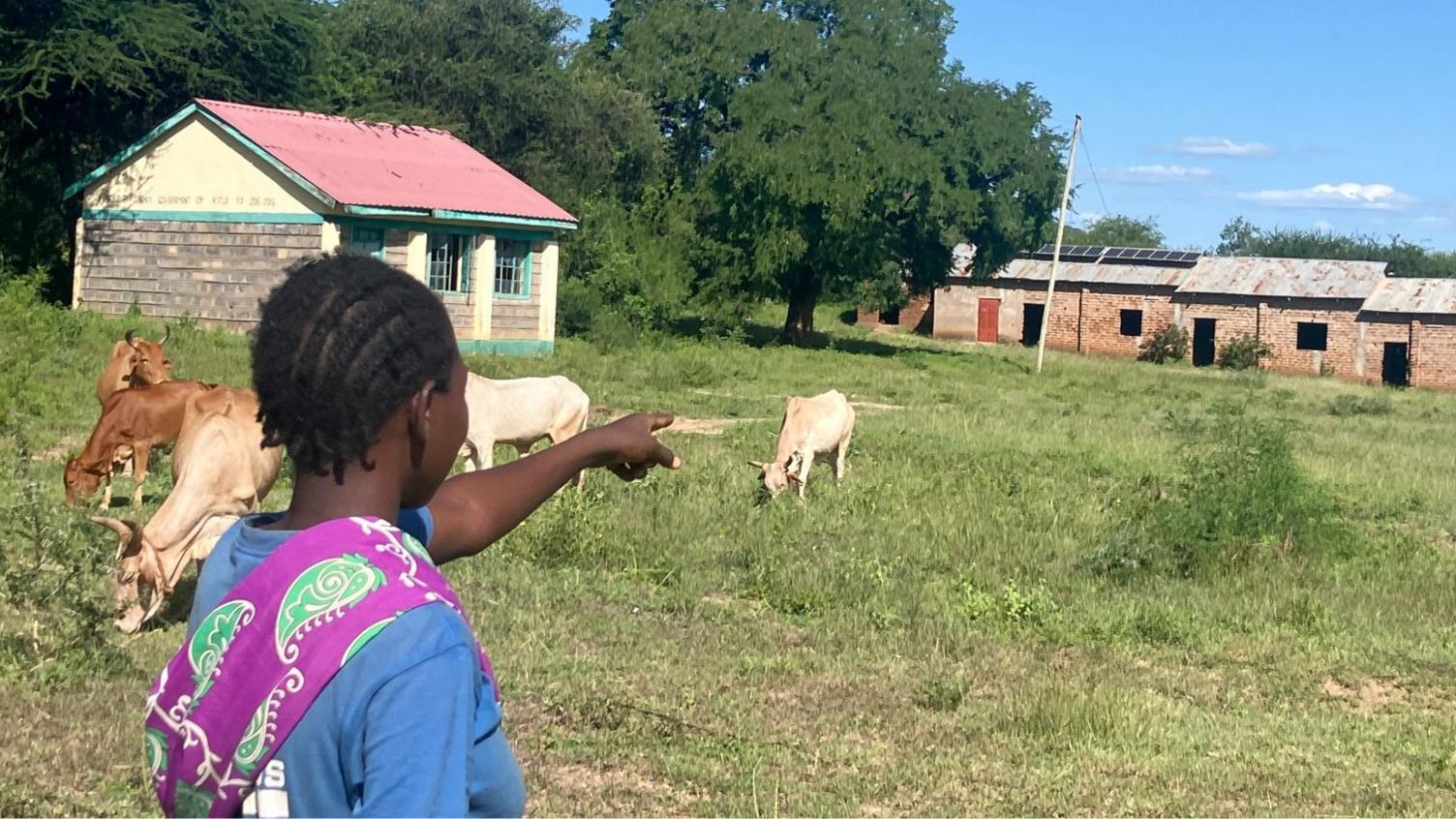
On a hot morning in Kaliluni Primary School, the only thing buzzing above empty desks is the mooing of grazing cattle. What was once a lively classroom, for more than 200 children, now sees only five pupils – and those were absent on the day we visited.
Married Maureen Mwisiwa pulls her school uniform over her head as her twelve‑year‑old daughter walks home. She has informed her children that the school will need to close once the new curriculum takes effect, until the clerk admits her daughters at a neighboring school about 8 km away. Without bus routes, a student’s journey can stretch to an hour over rough track – a 10‑minute walk in the old system.
The 2017 shift to Competency‑Based Education has reshuffled Kenya’s schooling structure, placing grades seven to nine in new junior secondary schools. Schools that cannot accommodate these from‑grade‑enrolments are being shut or merged. Education Minister Julius Ogamba warns that a primary school with only ten students is financially unsound, reminding that the minimum required enrolment is now 45 pupils.
Yet the closure of schools like Kaliluni, Somali, and Manooni raises safety concerns, bedfacing teachers on too‑many‑students classes. The Chief of the Education Research Group Dr Emmanuel Manyasa cautions that “CBE is good only if implemented properly – we have begun to crisis‑manage the transition.”
The rural‑enrolment crisis mirrors broader migration trends: fewer households, higher costs, and a drive toward town jobs. One local resident, Sarah Mumbua, notes that many families fear they cannot support children, leading to reduced birth rates, especially in remote villages.
The government’s plan to close 2,145 primary schools, or merge them with others, will inevitably tighten existing schools. Though the policy aims to optimise resources, it risks creating overcrowding contingents in already strained institutions. The result could widen the gap that rural pupils experience compared to their urban peers.
The story sets the stage for a national debate: will Kenya’s enthusiasm for a modern curriculum kill as well as help the children and communities that rely on the very schools it seeks to strengthen?