In brief
The IOC has defended its sale of T-shirts displaying designs from the 1936 Berlin Olympics, a controversial event used by Hitler for propaganda. The sale has faced significant criticism in Germany, with calls to cease its distribution. The IOC describes this as part of their Heritage Collection while acknowledging the historical implications of Nazi propaganda.
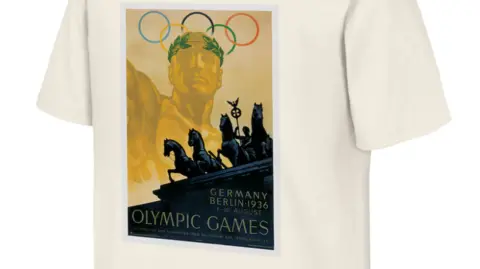
The official online fan shop of the Olympic Games has come under fire for selling T-shirts adorned with designs from the 1936 Berlin Olympic Games, an event notoriously exploited by Adolf Hitler and the Nazi regime for propaganda purposes. As a result, there are increasing calls within Germany to halt the sale of these shirts. The International Olympic Committee (IOC) has responded to the criticism by defending the shirts as part of their Heritage Collection, which celebrates the various styles associated with all editions of the Olympic Games.The T-shirts feature the original poster design for the Berlin Olympics, created by artist Franz Würbel, and the item is currently out of stock. Critics emphasize that the 1936 Games served as a pivotal platform for Hitler to showcase his ideology of racial superiority and glorify Nazi Germany on an international scale.Klara Schedlich, a spokesperson for the sports policy faction of the Green Party in the Berlin House of Representatives, criticized the IOC for insufficient reflection on its historical context, suggesting that the imagery is unsuitable for merchandise. The IOC acknowledged the historical issues associated with Nazi propaganda but maintained that the Berlin Games also represented a significant sporting event, featuring athletes from 49 countries competing in numerous events.When questioned, the IOC emphasized the importance of acknowledging the achievements of the athletes, including the historic performances of Jesse Owens, who won four gold medals at the Games, countering the Nazi narrative of Ariyan supremacy. The organization stated that the historical significance of the Berlin Games is duly noted at the Olympic Museum in Lausanne and clarified that only a limited number of the 1936 T-shirts were made available to the public.