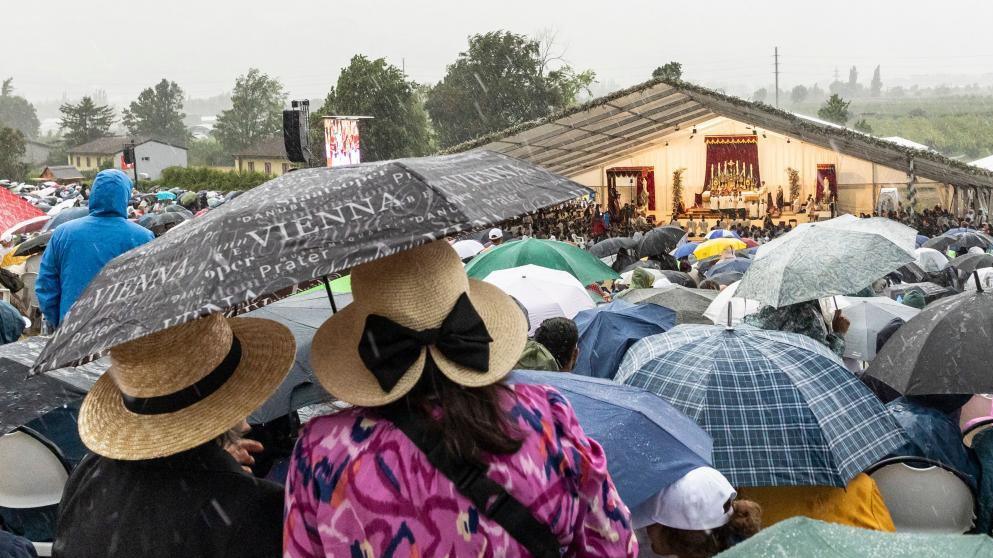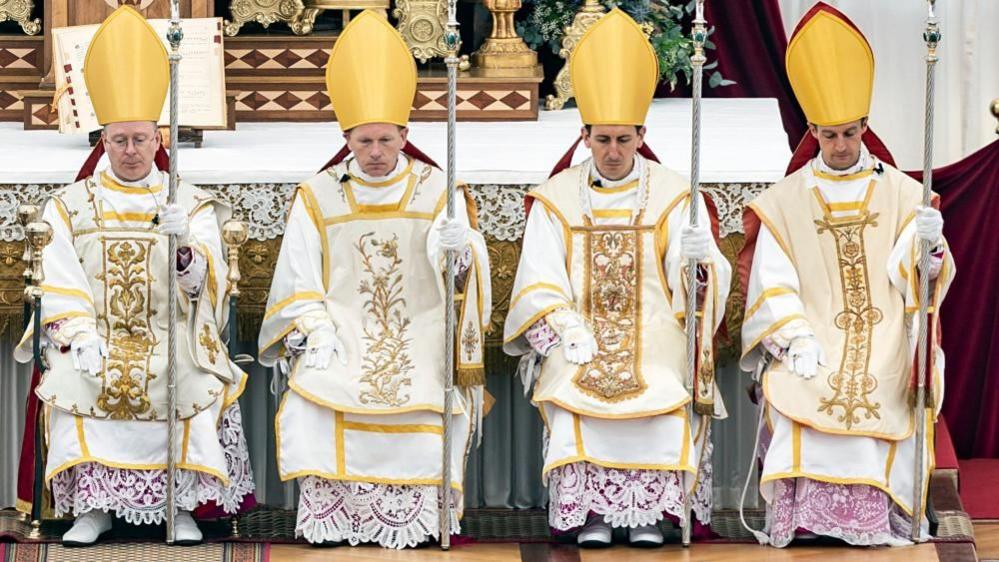
In the quiet Alpine village of Écône, Switzerland, a controversial ceremony unfolded on Wednesday that may reshape the internal politics of the Catholic Church. Four clergy members from the Society of St. Pius X (SSPX) – an organization that rejects several post‑Second Vatican Council reforms – were ordained as bishops in a ceremony that the Vatican later called a"schismatic" act.
The ordination, led by SSPX’s Superior General Davide Pagliarani, was witnessed by more than 15,000 on‑site observers and streamed live to a global audience in seven languages. The ceremony took place in a large tent set up on a pasture, where the candidates prostrated themselves before an altar, received their vows in Latin, and were crowned with the bishop’s mitre.
SSPX’s founder, Archbishop Marcel Lefebvre, had long championed a purely Latin Mass and a hierarchical structure that separates the clergy from the laity. Pope Leo IV, who has only recently been elected, publicly threatened that the new bishops would be deemed illegitimate and potentially excommunicated, echoing the measures the Vatican took against SSPX in 1988 when it first ordained bishops without papal approval.
Theologians and officials warn that any new bishop ordained in such a manner would likely serve only a brief term before the Vatican imposes canonical penalties. Nevertheless, some members of the wider Catholic community see SSPX’s defiance as a sign that traditionalist groups will continue to push against the Vatican’s efforts to modernize pastoral practice and build inter‑religious dialogue.
In what could be a turning point, the Vatican has yet to officially react beyond Pope Leo’s initial statements. The situation remains fluid, and observers are watching closely to see whether the new bishops will be absorbed, stripped of their authority, or left to lead a growing number of traditionalist Catholics worldwide.