In brief
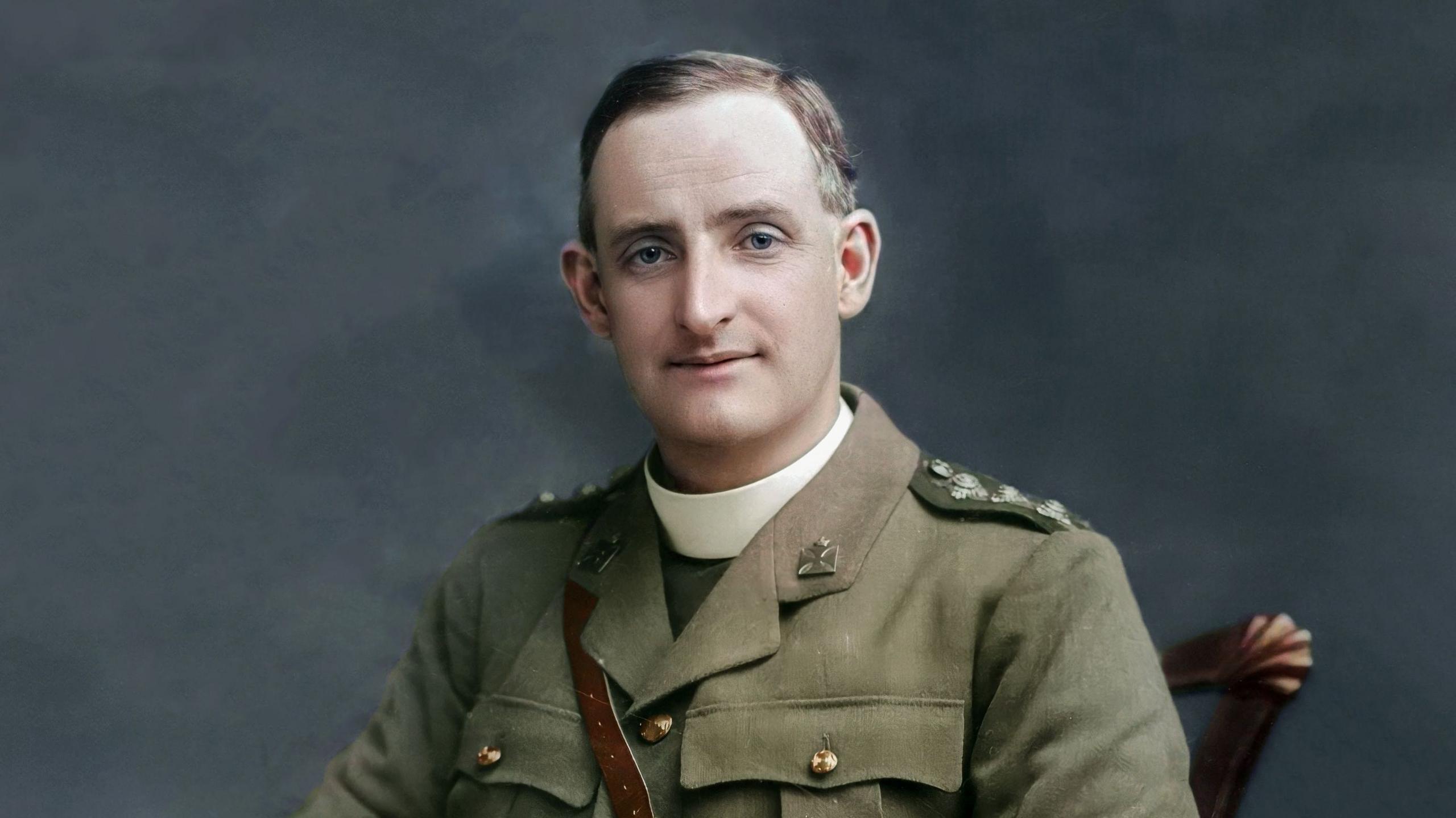
Fr Willie Doyle, an Irish priest who served as a chaplain in the 16th (Irish) Division during World War I, was known for running across No Man’s Land to aid wounded soldiers, earning the Military Cross. After being killed by shellfire in 1917 at Passchendaele, he is now being considered for sainthood by the Catholic Church in Ireland. A dedicated lay association has amassed over 3,500 pages of evidence, which will be sent to Rome for the episcopal review. The final tribunal in Mullingar Cathedral celebrated his legacy and prepared the documentation for the next step in the canonisation process.
On Sunday, the Catholic Church in Ireland marked a pivotal moment in the quest to canonise Fr Willie Doyle, a wartime chaplain who ran across No Man’s Land to rescue wounded soldiers, earning the Military Cross and later remembered as an ecumenical martyr.
Born in 1873 in Dalkey, Doyle joined the 16th (Irish) Division as a chaplain at the outbreak of World War I, serving at the Somme, Messines and Passchendaele until he was killed by shellfire on 16 August 1917 while aiding two wounded soldiers.
The Fr Willie Doyle Association, founded by layman Patrick Kenny, has gathered roughly 3,500 pages of documentation – theological, historical and tribunal records – and is now sending these to Rome for the first official step in the canonisation process.
Bishop Tom Deenihan oversaw the final public tribunal session at Mullingar Cathedral, sealing parcels of evidence with a wax stamp – a ceremony the bishop said would resonate with Gen Z as an example of unity across nationality and faith.
From Battlefield to Hagiography
Officials say Doyle’s letter‑writing, putting the human cost of trench warfare into words, makes him one of the most cited figures in Irish WWI history, and his willingness to help enemy soldiers earned him recognition from both sides.
With a Military Cross, mentions in despatches and a reputation as “the bravest man” of his division, Doyle’s next steps include a diocesan review, beatification, veneration, and finally sainthood if miracles are attested.
For now, Irish Catholics celebrate his life and await Rome’s response.