In brief
To enhance safety and foster vibrant communities, several U.S. cities are converting one-way streets back to their original two-way configurations. This trend, exemplified by recent changes in Indianapolis and Louisville, seeks to mitigate speeding issues and improve pedestrian safety, ultimately fostering better interactions between residents and local businesses. As cities invest significantly in these conversions, many individuals express newfound appreciation for enhanced infrastructure.
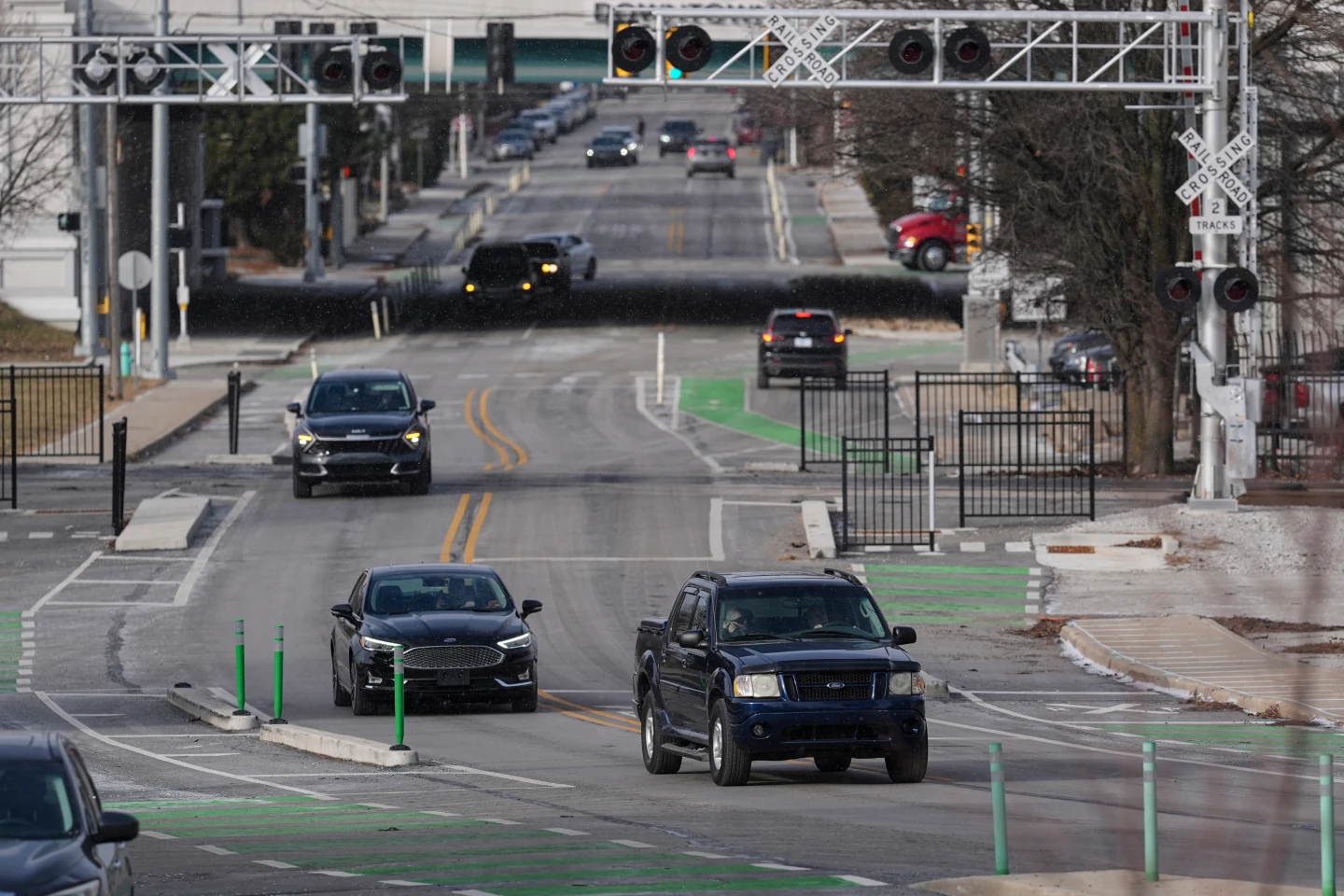
Excessive speeding was a common issue on one-way streets around a now-defunct electronics plant in Indianapolis, with locals referring to the area as a racetrack. Originally two-way streets, Michigan and New York streets were switched to one-way to facilitate quick access for RCA workers. Since the plant's closure in 1995, these streets became attractive to speedy drivers, leading to last year's reversion back to two-way configurations.
James Taylor, from a nearby community center, remarked, The opening and conversion of those streets has just been transformative for how people think about that corridor. This sentiment is echoed nationwide as urban planners in mid-sized cities opt to revert one-way streets in a bid to enhance safety and make downtowns more appealing to residents and visitors alike.
Understanding the Design Shift
Dave Amos, a city planning professor, noted, Almost no major streets in the U.S. originated as one-way routes. The trend towards one-way streets began as cities prioritized fast commutes to suburban areas over walkable downtowns. Amos added, One-way streets are designed for moving cars quickly and efficiently, often leaving pedestrians and cyclists vulnerable.
While one-way streets were thought to enhance safety for pedestrians by simplifying traffic directions, experts like Wade Walker highlight the increased complexity at intersections with both one-way and two-way roads, leading to more potential conflicts for pedestrians navigating these areas.
The Community Impact
Cities such as Louisville, Kentucky, are also taking steps to restore two-way traffic to revitalize neighborhoods. Many areas turned into one-way streets in the 1970s, isolating once-thriving communities. Michael King, a transportation planner, stated, All those mom-and-pop shops faded because that connectivity got taken away. The reversal is aimed at reintegrating communities by restoring lost connections between residents and their urban centers.
Real-world examples, such as Chattanooga, Tennessee, highlight how economic vitality can flourish after reversing one-way street conversions. After the introduction of two-way streets, business vacancies declined and local college accessibility improved significantly.
Overcoming Resistance
Throughout the discussions surrounding street conversions, resistance from local businesses and residents is normal. In Lynchburg, Virginia, restaurant owner Rodney Taylor initially opposed the two-way street plan, fearing it would harm his business. After the changes, he admitted his concerns were misplaced, stating, An important thing to do is to admit when you’re wrong. This newfound acceptance of two-way streets is mirrored in Austin, Texas, where community sentiment shifted positively after similar changes.
Future Initiatives in Indianapolis
Indianapolis has invested significantly in its street redesigns, budgeting $60 million for ten conversions. Mark St. John, chief engineer for the city's public works, highlighted that the city is eager to assess the full impact of these changes. Local opinions are optimistic, with new constructions planned along the newly redesigned streets, indicating potential rejuvenation for the area.