In brief
Santorini's crucial tourist industry is under threat as earthquake tremors continue to shake the island. With fears of decreasing bookings and potential staffing shortages, local businesses and hotel owners are pressing for government support to navigate the crisis.
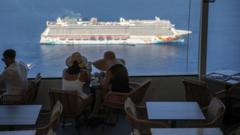
Santorini, the picturesque Greek island known for its stunning sunsets and vibrant tourism, is facing significant challenges as it gears up for the summer season. With thousands of earthquakes rattling the island since January, concerns about declining tourist numbers and staffing shortages are beginning to surface. As the unofficial tourist season kicks off in February with the arrival of cruise ships and Easter holidays, one cruise line has already decided to steer clear of Santorini amid fears of further seismic activity.Antonis Pagonis, president of Greece's Association of Hoteliers, spoke of a worrying trend with bookings dropping significantly in recent days. "We hope this will be short-lived," he stated optimistically, but the reality is daunting. The island relies heavily on seasonal workers from Greece and abroad, who complement the local population of around 15,000 during the peak months, where drops in tourist numbers could directly affect employment.Many workers are beginning to reconsider their plans as the tremors persist. Manos, a bartender who has spent the last few summers in Santorini, expressed his worries, admitting he has already taken a job elsewhere in Corfu due to financial uncertainties. "If the season is weak, I might not make as much money," he shared, highlighting the precarious nature of seasonal employment amid natural disasters.The situation isn’t isolated to hospitality alone; construction efforts are stymied as workers hesitate to come to Santorini, concerned about safety. Pagonis noted that hotel owners are pushing for governmental salary subsidies to retain their workforce until normal conditions resume. The government has shown responsiveness by deploying rescue teams and declaring a state of emergency, yet industry leaders are calling for more long-term infrastructure investments.Margarita Karamolegkou, a hotel owner, pointed out that challenges will not vanish simply because the earthquakes subside. She emphasizes the pressing need for improvements like a new port, especially as daily visitors can reach 160,000, putting immense pressure on the island’s resources. The ongoing seismic activity has not yet led to cancellations, but the emerging declines in bookings pose a threat to the local economy, which contributes approximately €5.9 billion annually to Greece's GDP.As Prime Minister Kyriakos Mitsotakis visited Santorini, he assured the public of the government's commitment to preserving the island's reputation as a premier tourist destination. Meanwhile, Karamolegkou maintains a sense of optimism, stating that her long-standing experience in the industry will allow her to adapt, acknowledging the potential need for delayed openings if conditions do not improve soon. She remains hopeful that even with reduced staff, the quality of service will not falter, proving once again the resilience of Santorini amid adversity.