In brief
In late July, over 72 000 migrants flooded into Ceuta, the Spanish exclave on North Africa’s coast, with many dying during the crossing. Although most returned to Morocco, thousands remained, sleeping on beaches and areas of the city. Anti‑migrant demonstrations escalated, with locals blocking aid supplies, setting fire to shelters and clashing with police. The Spanish government has urged calm, criticized rhetoric that fuels division, and is reviewing immigration policy, while the local mayor condemns the unrest and the Moroccan government reaffirms its territorial claims.
The Spanish exclave of Ceuta on North Africa’s coast has become a flashpoint after a mass influx of migrants at the end of July, sparking clashes between locals, police and anti‑immigration protesters.
On 30 and 31 July, the mayor of Ceuta reported that a staggering 72,000 people crossed the border from Morocco, most swimming beyond a fence and over a hundred of them losing their lives. Although the majority of the arrivals returned to Morocco within hours, thousands – many children – stayed in the city, sleeping on beaches and in makeshift camps.
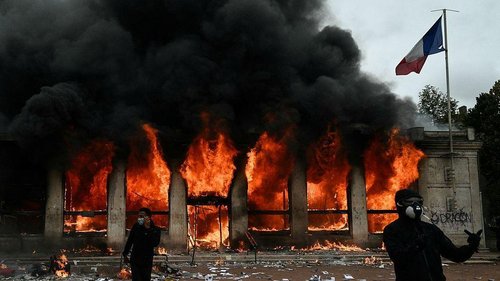
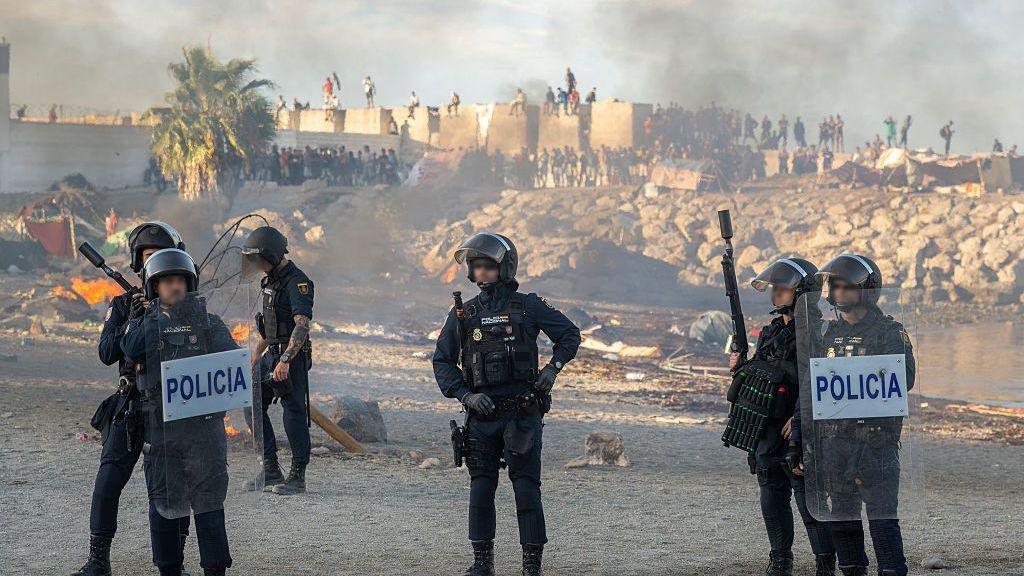
Early demonstrations remained largely peaceful, but recent days have seen a surge in violence. Locals on Thursday blocked Red Cross volunteers from delivering food to the migrants, and several set fire to shelters on Trampolín beach, the main sleeping site for the refugees. Police confronted the protesters and later clashed with some migrants, 12 of whom were arrested for throwing stones at a military vehicle and injuring four officers.
The crisis has heightened tensions between the local populace and the newly arrived migrants. Residents of Ceuta feel unsafe and worry about a strain on public services, while the mayor stresses the need for normality and Spain’s dignity in the city.
The Spanish government has called for calm, criticized what it calls “stigmatising rhetoric” and is revising immigration policy. President Pedro Sánchez’s government has accused the opposition and far‑right Vox of inflaming the situation, including a Vox MP who was investigated for calling migrants an “invader”.
Meanwhile, foreign ministers from Madrid defended Spain’s territorial integrity against Moroccan claims, which the country has reiterated recently. The situation remains volatile as the city balances the logistical challenge of processing the arrivals with the political stakes of sovereignty and public sentiment.