In brief
On Monday, residents of Alberta will cast ballots on a question that could set the province on a path toward a future independence referendum. The move, prompted by a petition that gathered roughly 300,000 signatures, divides the province between supporters who blame Ottawa’s environmental policies for economic slowdown and opponents who warn of debt, job loss and political uncertainty. Prime Minister Mark Carney urges unity, while First Nations groups call the process undemocratic. If a majority votes to proceed, a referendum could take place as early as 2027, though the legal and constitutional steps remain uncertain.
Albertans will go to the polls on Monday to decide whether the province should hold a binding referendum on separating from Canada.
The vote follows a petition that gathered about 300,000 signatures calling for a referendum, prompting Premier Danielle Smith to allow the ballot question on the election day. Smith’s decision comes after a court blocked the petition for failing to consult Indigenous First Nations on land that would be affected by separation.
Supporters of separation argue that the province’s oil and gas growth has been stifled by Ottawa’s environmental policies under successive Liberal governments. “If Alberta splits, we’ll keep more of our wealth,” said pro‑separation advocate Mitch Sylvestre. They see the referendum as a way to regain control over natural resource revenues.
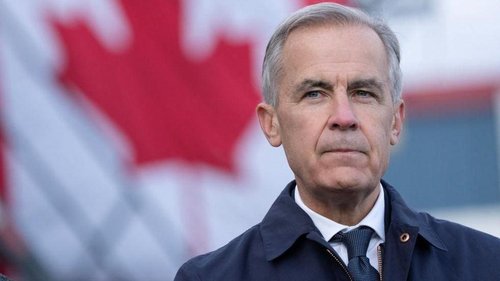
Opponents, including Prime Minister Mark Carney, frame the issue as a risk to the nation’s unity and economic stability, warning that a new independent Alberta could inherit billions in debt and suffer investment flight similar to the Brexit vote.
The ballot question reads: “Should Alberta remain a province of Canada or should the Government of Alberta commence the legal process required under the Canadian Constitution to hold a binding provincial referendum on whether or not Alberta should separate from Canada?”
Alongside the separation inquiry, voters will decide on nine other matters, many of which address greater provincial control over immigration and other policy areas. Early figures suggest strong turnout, with hundreds of thousands of mailed‑in ballots already counted.
If the majority votes to move forward, a referendum could be held as early as 2027, once the legal framework is established. The election officials have 48 hours to count the papers, with results expected in the early hours of Tuesday.
Reactions remain sharply divided: First Nations groups describe Smith’s decision as “undemocratic” and “authoritarian,” while pro‑separation voices say the conversation has already begun and cannot be stopped.
The outcome of Monday’s vote will decide whether Alberta’s future as part of Canada is secured and whether calls for a full independence referendum may proceed in the coming years.