In brief
A boat carrying more than 70 people, chiefly children, capsized near Gorau in the Sokoto River, killing at least 46 individuals. Police recovered bodies wrapped in mats and traditional cloths, while 16 people were rescued and 15 remain missing. The incident underscores a pattern of recurrent boat tragedies in Nigeria, caused largely by overcrowding and lack of enforcement of safety rules. Authorities have urged stricter regulation, safer vessels, and better rescue preparedness, though many measures remain unimplemented. The tragedy highlights the vital role rivers play for rural communities in Nigeria’s transport network.
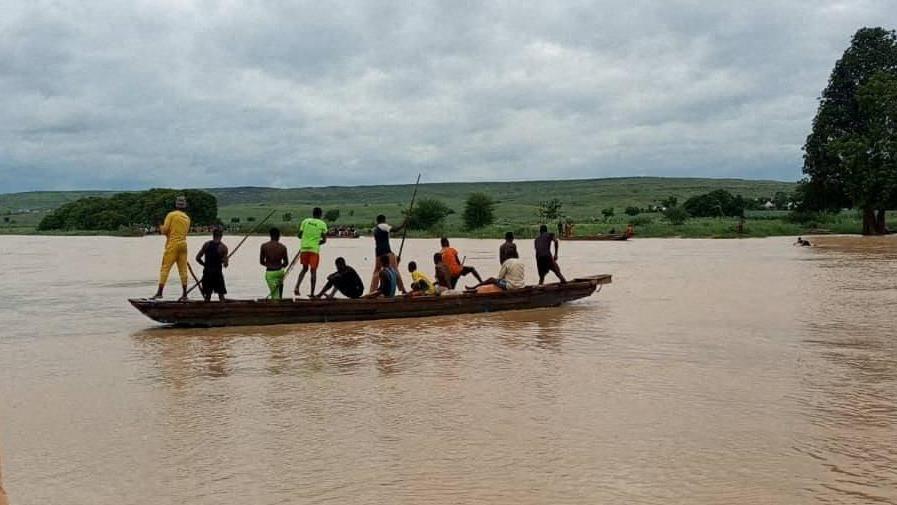
At least 46 people have died after a boat capsized in the Sokoto River, north‑western Nigeria, officials say. The vessel, believed to have carried more than 70 passengers, was mainly composed of children headed to a rice field.
Police spokesperson Ahmad Rufai told the BBC that bodies were recovered near Gorau, with 16 people rescued safely and 15 still missing. "The area is difficult to reach," he explained, adding that security agencies and emergency services had moved into this remote location.
A witness for Reuters reported that the boats were carrying children with farm owners and labourers working on a rice harvest. He described seeing 50 bodies wrapped in mats and traditional cloths lying in front of a local mosque, where most were still awaiting burial.
Nigeria’s emergency management agency (Nema) spokesperson Ezekiel Manzo noted the remoteness of Gorau and the ongoing search. Boat incidents are frequent in Nigeria, often attributed to overcrowding, poorly maintained vessels, and weak enforcement of safety regulations.
Similar drownings have occurred in recent months: a Jigawa state boat overturned last month claiming five lives; a capsized vessel from Jigawa to Yobe state claimed at least 26; and a December 2024 incident on the River Niger recovered 54 bodies from a boat that may have carried over 200 passengers.
To prevent future tragedies, authorities recommend safer boats, life jackets, dredged waterways, water guards at jetties, and properly trained, licensed operators. However, many of these measures have not been fully enforced. For millions of Nigerians, especially rural communities dependent on rivers due to poor road infrastructure, water transport remains essential.
Wooden boats are commonly used to move people and goods to markets and neighbouring communities.