In brief
A pedestrian vehicle rammed into Berlin’s Pride parade on Saturday night, killing a Polish woman and injuring nearly thirty others. The suspect, 21‑year‑old Abdul Ballout, was shot by police the following day during a counter‑terror operation. Ballout had a history of criminal offences, suspected links to extremist networks and a series of suspended sentences that sparked a debate over Germany’s criminal justice and counter‑terrorism laws. German officials, including Interior Minister Alexander Dobrindt and Chancellor Friedrich Merz, have called for a review of the legal framework and heightened security measures.
Berlin Pride Attack Leaves One Dead
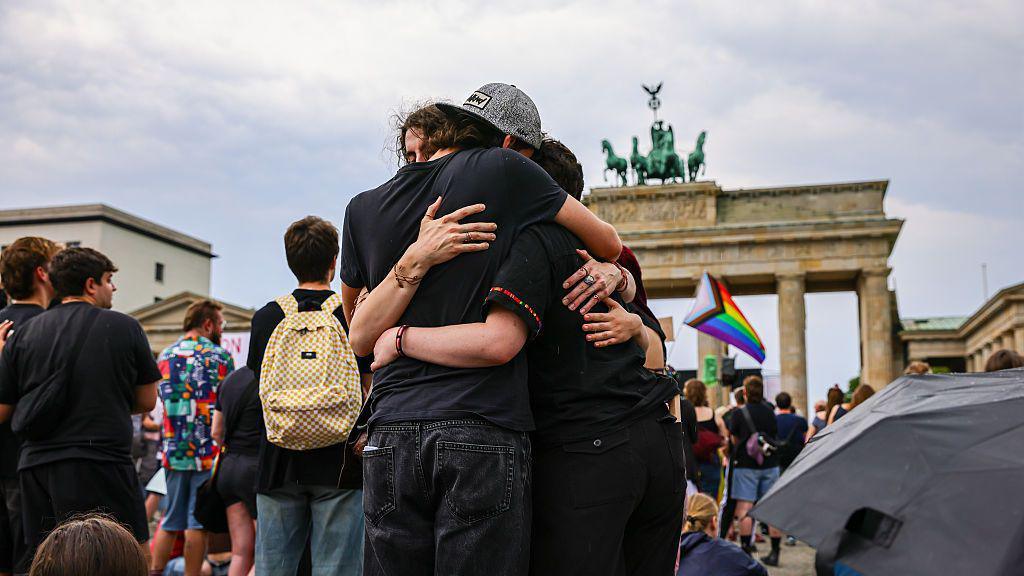
A vehicle violently rammed into Berlin’s Christopher Street Day parade on Saturday night, killing a 31‑year‑old Polish woman and leaving at least 29 people injured. The incident sent shock through the city’s LGBT community, with mourners gathering near the Brandenburg Gate the following day.
The main suspect, 21‑year‑old Abdul Ballout, a German citizen of Lebanese heritage, was shot dead by police on Sunday afternoon during a counter‑terrorist operation.
Interior Minister Alexander Dobrindt said Ballout had a record of criminal offences, radicalisation and ties with Islamist groups. He questioned why the suspect was never in prison given the serious nature of his activities.
Ballout’s history includes attempts to join the ISIS armed struggle in Syria, travels via Turkey and Lebanon, and a three‑month prison sentence in Lebanon for incitement. He returned to Germany in November 2025, was arrested at Berlin Brandenburg Airport, and spent time in pre‑trial detention. In May 2026 he received a suspended sentence of one year and ten months for "preparing a serious act of violence endangering the state" from a Berlin court.
Prosecutors and the courts argued that the suspended sentence should have been longer, while the severity of his prior criminal record prompted criticism. Police officers and security officials are now investigating gaps that allowed a known threat to move freely.
Berlin’s Governing Mayor, Kai Wegner, expressed bewilderment over how the judiciary handled the case. The far‑right Alternative for Germany (AfD) party condemned the incident as a failure of security policy and demanded a comprehensive investigation into official procedures.
Experts argue that Germany’s terrorism laws are too lenient and that the juvenile justice system prioritises education over public protection. Chancellor Friedrich Merz called for a review of monitoring jurisdiction and indicated that freedom of movement should be restricted for individuals classified as security threats.
Government officials, including the SPD’s home affairs spokesperson Sebastian Fiedler, emphasise the need to scrutinise why Ballout remained at large after his release and who he may have contacted during that period.
With Germany’s newest internal security policies under review, the nation faces widespread debates about how to balance civil liberties and public safety.