In brief
Brics, once underestimated by critics, is gaining momentum with new members and goals that align with India’s foreign policy, providing a platform for enhanced partnerships despite geopolitical challenges.
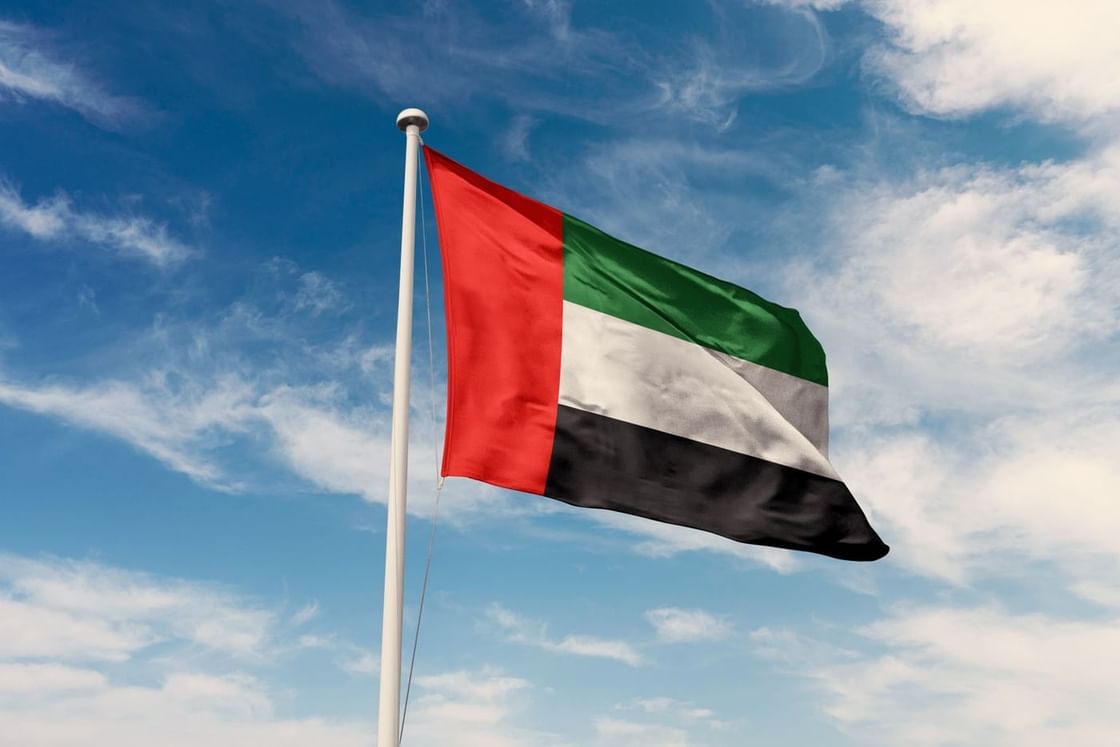
The Brics group has matured beyond its initial conception, especially after its recent summit held in Russia which marked the formal induction of four new members: Egypt, Ethiopia, Iran, and the United Arab Emirates. This signifies a pivotal shift that may reshape global governance dynamics, with Brics serving as an alternative to Western-centric frameworks. Historically dismissed by Western commentators, Brics has now showcased its growing prominence with participation from leaders of 36 nations and the UN Secretary General. Since its inception in 2006, it only welcomed South Africa as a member until now, when it embraces a larger coalition that mirrors global discontent toward existing financial practices.Interestingly, India, which often aligns itself closely with the West, stands to gain significantly from this transformation. The nation shares deep-rooted ties with many new entrants in Brics; for instance, Ethiopia is a long-standing ally, while the UAE is crucial for trade and security. Egypt also emerges as a vital partner in the Middle East.Within Brics, India can diplomatically navigate its relationship with Russia, undermining Western efforts to isolate it. Collaboration with China within the group is another crucial avenue for India to ease bilateral tensions, following a notable border patrol agreement just prior to the summit.Brics serves to bolster India’s strategic autonomy, wherein they aim to build relationships across the geopolitical spectrum rather than forming exclusive alliances. This positioning allows India to balance its engagements with Western powers, especially as it navigates a changing Indo-Pacific landscape.Moreover, Brics’ principles resonate with India’s foreign objectives, such as promoting multilateralism, engaging the Global South, and advocating for a reformed UN Security Council—goals that perfectly align with Delhi’s aspirations for a permanent seat in the UN.However, the prospect of Brics morphing into a stark anti-West bloc raises concerns for India. Moving forward, the inclusion of members like Iran presents challenges; relations among many new members are rocky, such as tensions between Iran, Egypt, and the UAE, suggesting that internal cohesion might be hard to achieve.Nonetheless, the fears of Brics becoming an outright anti-West entity might be overstated. Most of its newer members maintain strong ties with the West, and potential future members like Turkey and Vietnam complicate the narrative further.As Brics outlines collaborative projects focused on climate, education, and health, its potential to pose a significant threat to the West appears limited. The group’s ongoing struggles with unity coupled with India’s strategic hopes mean that any initiatives would likely remain non-controversial.Ultimately, with Brics presenting opportunities for safe collaborations, it could help ensure that India’s relationships with the West and non-Western countries remain balanced during these dynamic times in global politics, offering a productive path forward for all involved.