In brief
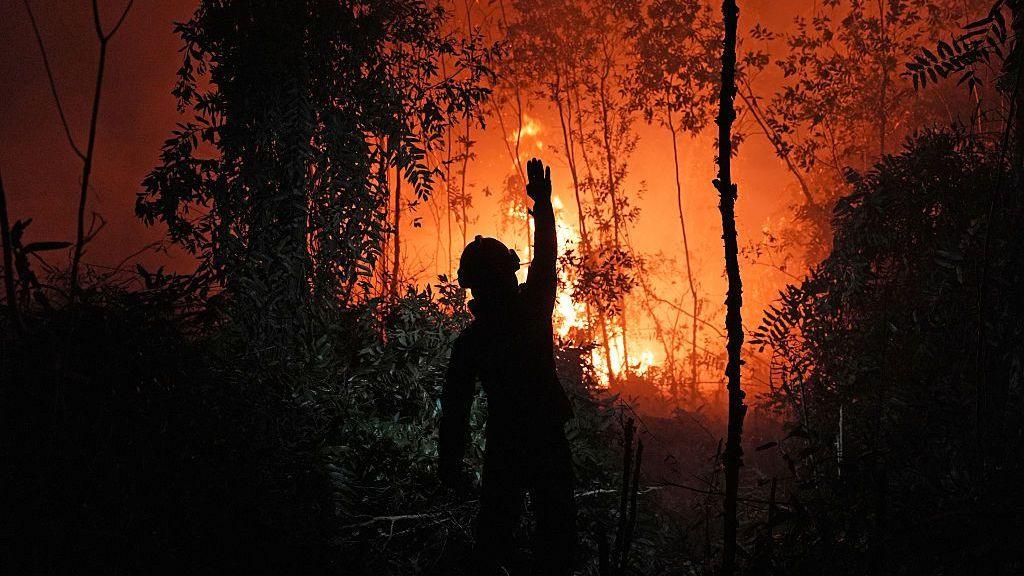
Indonesia’s worst wildfire season in a decade has unleashed an amber‑tinted smog that threatens health across the region. The haze, driven by slash‑and‑burn practices and exacerbated by a strong El Niño, has forced schools to close and obscured skylines. Companies tied to the fires are under fire, while presidents and lawmakers promise tougher sanctions. International law and diplomatic tensions highlight the difficulty of holding culprits accountable.
Indonesia’s worst wildfire season in a decade has turned the air on Kalimantan and Sumatra into a choking amber haze, with levels that rival or exceed the world’s most polluted cities. Air‑quality monitors have recorded hazardous values, and the smog has drifted beyond Indonesia’s borders, obscuring Singapore’s skyline and forcing Malaysian schools to close.
Slash‑and‑burn fuels the haze
The fires began largely where farmers cut quick‑fix vegetation to clear land for new crops. In recent years the practice has shifted from small families to large commercial plantations, making fires harder to contain. Although the Indonesian government has banned the practice, enforcement has lagged until the current haze crisis demanded action.
President Prabowo Subianto has called the practice “ecological terrorism,” suspending licences for 26 firms linked to the fires and pledging criminal prosecutions for those who continue to blaze.
Corporate green‑washing amid fire reports
Greenpeace identified several companies tied to forest plots that ignited haze points between August and September. The most prominent were:
- First Resources – a Singapore‑based palm oil company whose Indonesian subsidiaries logged over 30 haze source points.
- Kuala Lumpur Kepong – a Malaysian plantation group whose Indonesian arm had 19 recorded haze points.
Both firms stated they maintain strict “zero‑burn” policies and robust fire prevention measures, but the volume of hotspots raises doubts about enforcement on the ground.
Legal fire‑fighting laws and diplomatic wrangling
Singapore’s 2014 Transboundary Haze Pollution Act allows it to prosecute foreign companies suspected of contributing to regional haze. Previous summonses to Indonesian firms caused diplomatic friction, with Jakarta accusing Singapore of overstepping and refusing to cooperate.
A viral clip from Indonesian communications chief Syahganda Nainggolan – claiming that the “oxygen in Singapore and Malaysia comes from our forests” – triggered ridicule and criticism, highlighting how politics now intertwine with environmental science.
Grassroots push for government action
In West Kalimantan, civil‑society groups have filed a class action lawsuit against the Indonesian government for “gross negligence” over recurrent haze, demanding a national disaster declaration to cover healthcare costs. A similar case in South Sumatra was dismissed, showing the legal hurdles citizens face.
Local residents continue to breathe toxic air daily. A 63‑year‑old motorcycle taxi driver in Pekanbaru, Sumatra, warned that the government must act: “I’m short of breath and have a headache, but I still have to work.”
The smog, driven by wildfires and climate forces, has become a test of environmental policy, international law, and corporate responsibility. Whether governments will enforce hard penalties or shift to stronger fire‑fighting technology remains to be seen, but the stakes are clear: health, livelihoods, and the very air people breathe are on the line.