In brief
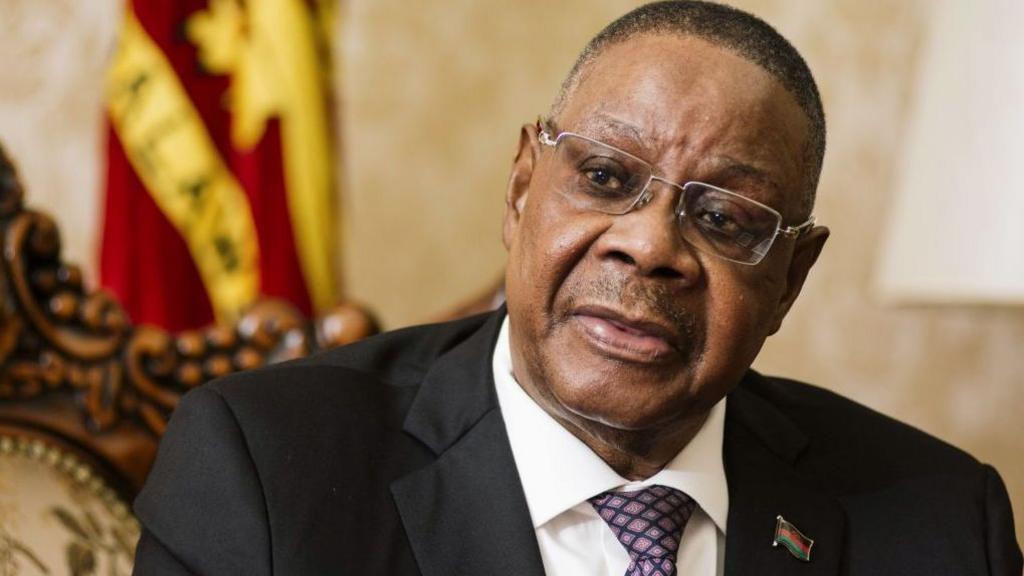
The Malawi Congress Party has called for an explanation of President Peter Mutharika’s prolonged stay in South Africa, raising concerns about governance during a period of acute fuel shortages, frequent power blackouts and economic hardship. Mutharika, who left Malawi on 6 October for a private visit, has now made his fifth trip this year, sparking public frustration. The government insists the president remains in control, but the opposition urges Vice‑President Jane Ansah to address the nation’s pressing problems. The dispute highlights the growing disconnect between leadership and citizens amid Malawi’s mounting crises.
Malawi's opposition has demanded an explanation for President Peter Mutharika's prolonged stay in South Africa, as the country struggles with fuel shortages, power cuts and economic difficulties.
Late on 6 October, the 86‑year‑old Mutharika left for a private visit to South Africa. It is his fifth trip this year, and each departure has been shrouded in limited public detail. The Malawi Congress Party (MCP) has voiced concerns that the president’s absence coincides with a critical moment for the nation, calling for decisive action.
Information Minister Shadric Namalomba has denied that the president’s absence has created a leadership vacuum, maintaining that the state president remains in charge at any time, anywhere. However, deputies have urged Vice‑President Jane Ansah to address the public directly over Malawi’s mounting challenges.
The opposition’s campaign director, Moses Kunkuyu, told journalists in Lilongwe that Malawians “deserve to know who is managing the country's affairs.” He emphasized that the issue is not the president’s travel, but the lack of reassurance that someone is steering the country through widespread suffering.
Kunkuyu called on the government to explain how it intends to tackle persistent fuel shortages, repeated electricity blackouts, a dearth of essential medicines in public hospitals and the difficulties residents face accessing foreign currency. He urged the administration to respond to these tangible problems rather than deflecting with personal claims about travel or ‘private’ trips.
In response, the government reiterated that the president remains firmly in control over governmental affairs, dismissing any notion of a leadership vacuum. Information Minister Namalomba stated, “A private trip is private.” He accused the opposition of exploiting problems that he said were rooted in the previous administration’s failures.
Official statements also indicated that Mutharika delegated the trade minister to lead a delegation to the Common Market for Eastern and Southern Africa (COMESA) summit in Zimbabwe, a move that has been interpreted by some as a diversion from pressing national issues. Earlier in the month, rumors surfaced on social media that the president was traveling from South Africa to India for medical treatment; Chief Secretary Justin Saidi denied the reports, urging the public to refrain from spreading unverified information.
Previous comments by Mutharika have dismissed speculation about his health, labeling such claims as “silly and laughable.” Yet the president’s extended absence continues to fuel citizen frustration, especially as Malawi’s severe shortage of foreign currency threatens fuel imports, pushes up transportation costs, creates long queues at petrol stations and exacerbates unreliable electricity supply and shortages of medicines.