In brief
The UK’s Good Food website has faced backlash from Italians for a cacio e pepe recipe that includes non-traditional ingredients like butter and cream. Many chefs and culinary purists are outraged, claiming this dilutes their culinary heritage.
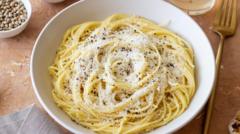
Italians are fuming after the UK-based Good Food website published a recipe for the iconic Roman dish cacio e pepe that strayed from its traditional roots. The site described the dish as a quick option for "a speedy lunch," an assertion that has sparked criticism across Italy. Traditionally, cacio e pepe consists solely of spaghetti, black pepper, and pecorino cheese. However, the recipe listed additional ingredients, including butter and double cream, leading to widespread outrage. The Italian Association of Restaurants expressed disbelief at the publication of this version on an esteemed British platform, previously owned by the BBC, and even contacted the British embassy in Rome to address the issue.Claudio Pica, the association's president, voiced his shock over the misguided recipe saying, “This iconic dish has been a staple of Italian cuisine for years.” He reiterated, “The original recipe for cacio e pepe excludes parmesan and butter. There are not four ingredients, but three.”The misstep has resonated widely in Italian media, with commentators noting the gap between British and Italian culinary traditions. Notably, the journalist from RAI remarked that such a grave error only perpetuates the stereotype that Italian cuisine isn’t respected. Local chefs like Giorgio Eramo criticize the website's portrayal, asserting that the dish with butter and parmesan is, in fact, a different recipe entirely, akin to 'pasta Alfredo.' Eramo stated, “It's not cacio e pepe. What Good Food published should have been named something else.” Family-owned restaurants in Rome also expressed their displeasure, with hoteliers Maurizio and Loredana emphasizing, “For us, you cannot use the original Italian name if you deviate from the classic recipe.” Public sentiment indicates that the anger is less about culinary preferences and more about cultural values, as food is deeply woven into Italy's identity. Eleonora, a café worker, noted, “Our tradition is based on food. So if you touch the only thing that we have… it can make us feel a bit sad.” As of now, Immediate Media, which owns Good Food, has not yet issued a comment regarding this controversy.