In brief
The situation in Gaza becomes dire as humanitarian organizations warn of imminent starvation, leading to international calls for an end to the blockade.
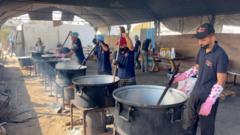
Amidst dwindling food supplies in the Gaza Strip, community kitchens like those run by American Near East Refugee Aid (Anera) are struggling to meet the needs of the population, serving about 6,000 meals daily. With the recent Israeli blockade on Gaza entering its third month, these kitchens are running dangerously low on essential supplies, resorting to delivering meals by donkey cart.Sami Matar, who oversees Anera's operations in Khan Younis, lamented the transition from previous meals rich in protein and fresh vegetables to basic dishes such as koshari, a mixture of rice, lentils, and tomato sauce. Israel's blockade, which prevents food, fuel, and medical supplies from entering Gaza, has pushed many families into extreme poverty, leaving them reliant on the community kitchens for sustenance. Matar emphasized that many have lost their sources of income and cannot purchase food from the local markets, which are almost empty.The United Nations has declared that humanitarian food stocks have been depleted, intensifying international pressure on Israel to lift the blockade. UN humanitarian chief, Tom Fletcher, issued a stark warning regarding the dire consequences of denying aid to civilians, calling it a potential war crime.Anera's warehouses are now nearly empty, and Matar warned that the community kitchens are expected to run out of food in a matter of weeks if the blockade continues. The organization used to receive over 100 trucks of food weekly, but that supply has now been cut off. The costs of cooking materials have surged, adding to the struggles of providing meals.Israel has accused Hamas of misappropriating humanitarian aid, a claim denied by UN agencies. Regardless, Anera is committed to ensuring that aid is distributed transparently and efficiently, maintaining a database of recipients to avoid duplication.As community kitchens like Anera's strive to provide food, they face heartbreaking scenes of families in desperate need. An elderly man expressed his gratitude upon receiving food parcels, while a displaced mother spoke of humiliating circumstances and rising food prices, emphasizing that warm meals are now a rare comfort.With the ongoing conflict and renewed violence, locals fear for their futures as the humanitarian situation deteriorates. Recent UN reports indicate the blockade and military operations are creating conditions worse than ever, with a growing number of displaced individuals.Despite accusations from various governments regarding the blockade's impact, Israeli officials maintain that significant amounts of aid have been supplied to Gaza during a brief ceasefire. However, the lack of accessible aid remains a critical issue.Anera's personnel remain devoted to their mission, distributing dwindling food supplies within the beleaguered camps, but the urgency for the reopening of Gaza's borders is palpable, as leadership makes appeals for immediate action. The future of the community kitchens and the countless lives they support hangs in the balance, with calls for international intervention growing ever louder.