In brief
In Kyiv, the arrival of U.S. envoys accompanied by a symbolic short‑pause in air‑strikes was greeted with warm rhetoric and historic imagery. The meeting, staged in Saint Sophia Cathedral, highlighted hope for a truce, yet stark differences still surface: Russia claims battlefield gains, Ukraine counters with gains, and demands for security guarantees remain unmet. Both sides hear conflicting narratives and recognise the need for compromise, though neither that compromise materialises as of yet. Ukraine’s president insists the conflict will continue into the winter while the U.S. envoys call for continuation of dialogue. As tensions loom, the real question is whether these symbolic gestures truly translate into a lasting cease‑fire.
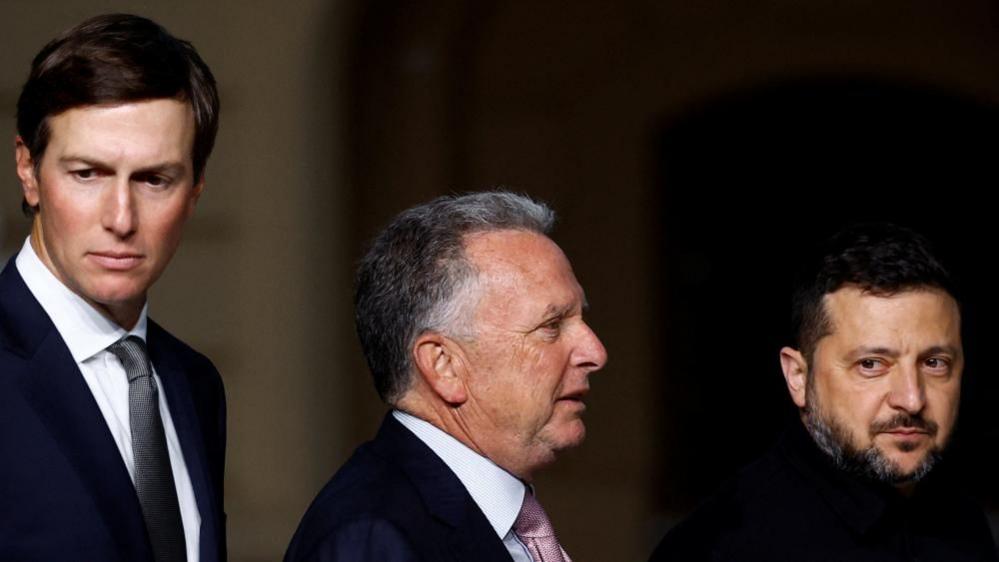
In a high‑profile gathering on September 6, Ukrainian President Volodymyr Zelensky welcomed U.S. envoys Steve Witkoff and Jared Kushner to the historic Saint Sophia Cathedral in Kyiv. The event, set against an unbroken backdrop of Ukrainian arms and the cathedral’s stone façade, was billed as a hopeful pause in the air campaign, giving the capital a brief, if‑fleeting respite from drone strikes.
The symbolic impact was obvious: Washington’s representatives arrived by train to avoid Russian drone‑haunted air corridors, and they stepped onto Ukrainian soil for the first time since Russia’s full‑scale invasion. Their presence underscored the U.S. commitment to Ukraine’s sovereignty and the international courage it demanded in these tense times.
Nevertheless, the conversation did not turn into a breakthrough. President Zelensky set a stern tone, insisting that Ukraine’s borders—particularly the contentious Donbas region—must remain intact. The U.S. envoys carried reports from Moscow: Russia claimed it was making "tangible advances" on the battlefield. In contrast, Ukrainian officials reported regaining territory and cited 42,000 Russian casualties.
Both sides echoed criticism of continuing the war into the impending winter, yet neither seems ready to alter fundamental positions. Ukraine demands strong coalition security guarantees and a robust army, while Russia calls for territorial concessions, NATO‑ambitions abandonment, and military downsizing. The U.S. envoys acknowledge that both parties must shift on these points, but they also note that a hard‑winter conflict remains imminent.
In the aftermath, the Zelensky administration tolerated the symbolic truce, hoping that the cease‑fire would give families breathing room. However, the broader sentiment is that any peace talks now are still a long‑shot, with strict disagreements on the speed of compromises casting a shadow on the possibility of a swift settlement.