In brief
The recent earthquake in central Myanmar has resulted in over 3,000 deaths, prompting international aid efforts and raising concerns over relief operations amidst ongoing civil unrest.
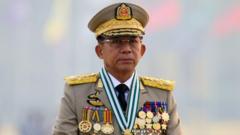
Min Aung Hlaing, the leader of Myanmar’s junta, has arrived in Bangkok for a regional summit even as his country faces grave ramifications from a catastrophic earthquake. The seismic event, which struck central Myanmar last Friday, has resulted in at least 3,085 fatalities, with reports of 4,715 injuries and hundreds more unaccounted for, according to military officials.Although typically barred from international gatherings due to sanctions, Hlaing’s presence at the summit—gathering leaders from countries surrounding the Bay of Bengal—marks a significant exception. The summit, hosted by Thailand, also aims to address the disaster that has impacted multiple countries within the region. Notably, Thailand itself experienced tremors felt across its borders and has mourned the loss of 21 lives due to the quake.Efforts to reach affected areas have been hindered by the ongoing civil strife in Myanmar, making accurate casualty assessments difficult. International aid has been dispatched to Myanmar, but challenges related to the country's poor infrastructure and conflict have significantly hampered relief operations. Just days before the summit, the junta announced a temporary ceasefire to facilitate humanitarian efforts, previously rejecting proposals from rebel factions for collaborative assistance.Compounding the crisis, military airstrikes continue in areas controlled by armed resistance groups, which has sparked international outrage. Earlier in the week, military personnel reportedly fired on a Chinese Red Cross convoy carrying aid, citing that the convoy failed to halt as directed.During the summit, Hlaing is also expected to hold discussions with Thai Prime Minister Paetongtarn Shinawatra to address the crisis. Since the military coup in 2021, Myanmar has been embroiled in a civil war, which has led to a drastic deterioration in the country's economy and living conditions, exacerbated further by the recent disaster.Humanitarian organizations and the United Nations have urged the ruling junta to lift restrictions on aid deliveries as the imminent monsoon season poses additional threats to those affected by the earthquake. As the region rallies to respond, the scale of the disaster continues to unfold.