In brief
Amid Nigeria's troubling beauty standards, a mother's use of harmful skin-lightening creams on her children has led to severe skin damage, prompting her to speak out against the dangers of such products. Despite a cultural preference for lighter skin, Fatima's story illustrates the profound and lasting consequences of societal pressures.
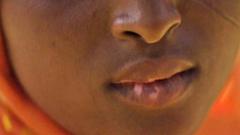
A 32-year-old mother from northern Nigeria, identified as Fatima, is grappling with the devastating consequences of using skin-lightening creams on her six children. The mother holds tightly to her two-year-old, whose discolored skin and painful burns serve as a heartbreaking reminder of her misguided attempts to conform to societal beauty standards. "My sister gave birth to light-skinned children, and I noticed that my mother favors her children over mine due to their skin tone," Fatima reveals, sharing her deep regret about the products she applied to her children, influenced by family pressure.Skin-whitening practices are rampant in Nigeria, with a staggering 77% of women reportedly using such products regularly, according to the World Health Organization. Fatima initially observed some success with the creams, which she purchased without a prescription, but soon her children's skin began to suffer from burns and disfigurations. One daughter now covers her face in public to hide her scars, while another has been left with a stark contrast between her lid and the surrounding skin. The situation has profoundly affected their self-esteem and social interactions.The toxic ingredients in skin-lightening creams—like hydroquinone and mercury—pose serious health risks, leading to a host of skin disorders and, in extreme cases, kidney damage. The National Agency for Food and Drug Administration and Control in Nigeria declared a state of emergency in 2023 due to the alarming rise in unsafe skin-whitening practices, which also includes a worrying trend of mothers applying these harmful substances to their infants.At a local market in Kano, vendors mixed and sold skin-lightening products openly, often using regulated and harmful ingredients aimed at providing a swift visual change at the risk of long-term health. Despite ongoing raids and efforts to cease the distribution of dangerous chemicals, a vast majority of women continue to seek out these products for themselves and their children, convinced of their necessity for social acceptance and beauty.Fatima laments that her daughters have suffered social stigma and discrimination due to their appearances, with some losing potential suitors who associate them with drug use because of their skin’s discolored patches. Reflecting on the irreversible effects of her choices, she has made it her mission to educate parents about the dangers of skin bleaching and the profound impact it may have on their children's wellbeing. "I plead with other parents to heed my experience and refrain from making the same mistake," she urges, as she continues to watch her children deal with the repercussions of a beauty ideal that came at an unbearable cost.