In brief
President Boric's expedition to Antarctica aims to strengthen Chile’s sovereignty assertions amidst rising geopolitical interest in Earth's polar regions.
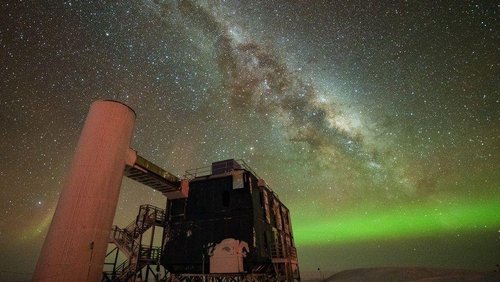
Chile's president, Gabriel Boric, made history with his visit to Antarctica on Friday, marking the first time a sitting Latin American leader has traveled to the continent. The expedition was part of Boric’s ongoing efforts to bolster Chile's territorial claims amid increasing competition for influence in the polar region. Accompanied by officials, the president toured the U.S.-operated Amundsen-Scott South Pole Station, which he described as a significant confirmation of Chile's sovereignty.Boric labeled the trip “a landmark,” positioning it against the backdrop of heightened global interest in both Antarctica and the Arctic as climate change reshapes their geopolitical landscape. While the Arctic has garnered substantial attention due to its opening trade routes and natural resources, Antarctica has previously remained less prominent in international discussions, though that may be shifting as countries begin to vie for territorial claims.The Antarctic Treaty System, established over a century ago during the age of exploration, governs the region, emphasizing that it exist solely for peaceful purposes. This historic agreement was designed to establish Antarctica as a military-free zone and to manage competing territorial ambitions. As nations, including Chile, start to assert their presence, the significance of Boric's journey highlights the evolving dynamics in polar geopolitics.