In brief
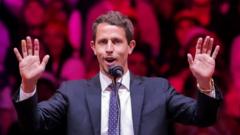
In a Trump rally held at Madison Square Garden, comedian Tony Hinchcliffe labeled Puerto Rico a "floating island of garbage," leading to swift condemnation from both Republicans and Democrats. His remarks, considered racially charged, were met with rebuke, especially from lawmakers representing Florida's significant Puerto Rican community. Congresswoman Maria Elvira Salazar expressed her disgust, emphasizing that such sentiments do not align with GOP values. Senator Rick Scott also condemned the joke as false and insensitive.
Hinchcliffe's performance included other inflammatory jokes about Latinos and Black individuals, which further incited backlash. During the rally, Trump announced tax credits for caregivers and reiterated his commitment to stricter immigration policies, framing it as a mission to reclaim territories overrun by crime.In response to the uproar, Kamala Harris's campaign described the rally's discourse as "divisive and demeaning." Making headlines amidst the turmoil, Puerto Rican rapper Bad Bunny endorsed Harris, amplifying her platform aimed at aiding Puerto Ricans. Bad Bunny's support followed the unveiling of her policies meant to uplift residents of the territory, which has seen a mass exodus in recent years due to various challenges.Social media was ablaze with reactions, particularly from the Puerto Rican community, with singer Ricky Martin urging fans to consider the implications of Hinchcliffe's words and push for Harris. This rally, while set in a largely blue state, served to galvanize Trump’s supporters, many of whom were more focused on the policies at stake than the contentious remarks.Madison Square Garden, a notable location for Trump's campaign, became the backdrop for an event featuring a slew of speakers, pushing boundaries with their rhetoric. As the election race heats up, the repercussions of such remarks are likely to resonate as both sides vie for key voter demographics.In the months leading to the 2024 elections, Puerto Ricans' engagement in the political sphere will be crucial, with an estimated 36 million Hispanic voters anticipated to influence outcomes in critical swing states.