In brief
In an effort to mitigate France's escalating national debt, Prime Minister François Bayrou has proposed eliminating Easter Monday and May 8 public holidays. Amidst rising defense expenditures and a plan to implement a public spending freeze, Bayrou's controversial suggestion aims to close a significant budget gap, yet faces backlash from various political factions. With potential for a no-confidence vote looming, Bayrou remains determined to reform the national budget despite the risks.
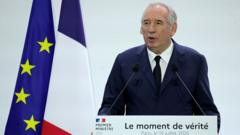
French Prime Minister François Bayrou has unveiled a controversial budget proposal aiming to reduce national debt, advocating for the removal of two public holidays to facilitate increased defense spending. The suggestion involves axing Easter Monday and May 8, the latter commemorating the Allied victory in World War Two. Bayrou, who believes bank holidays have rendered May ineffective, stated he is open to alternative solutions while highlighting France's serious debt predicament.In a speech punctuated with urgency, Bayrou emphasized that the nation risks being "crushed" by its fiscal burden, underscoring that a significant restructuring of the budget is critical. He articulated a goal of reducing France's annual budget deficit in the face of a growing financial crisis, which he claims adds €5,000 to national debt every second.The proposal has generated immediate backlash, with far-right and leftist parties condemning it as an attack on French traditions and workers' rights. National Rally and Green Party leaders have criticized the plan, stating it erroneously undermines historical significance and workers’ welfare. However, Bayrou maintains that the situation requires "basic arithmetic" to address the €43.8 billion needed to curb the deficit, which currently stands at 5.8%.Another contentious point is President Emmanuel Macron's request to boost defense spending by €3.5 billion in the next fiscal year, along with further increments the following years. This complex budget scenario sets the stage for expected challenges ahead, as Bayrou's proposal must survive parliamentary scrutiny in the autumn.The Prime Minister, who took office in December, faces the possibility of a no-confidence vote reminiscent of the recent turmoil that led to his predecessor's government collapse. Diverging political factions have rendered France's parliament exceptionally fragmented. Bayrou has expressed determination to pursue his proposals for the sake of restoring public finance health, despite looming political threats—including a potential call from opposition leaders to oust him.With his own popularity declining below 25%, the future of both Bayrou's administration and President Macron’s leadership hang in the balance as France navigates its fiscal and political challenges.