In brief
Since the Taliban's takeover in 2021, Afghan girls have been banned from schooling, pushing many into the low-wage carpet weaving industry, which now employs nearly 90% of women weavers. Despite the booming export market for carpets, workers earn meager wages, and ongoing aspirations for education remain unfulfilled.
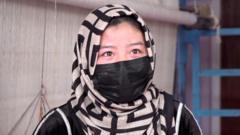
Afghan girls, barred from receiving education since the Taliban's takeover in 2021, are turning to carpet weaving as one of the few professions available to them. In a cramped workshop in Kabul, women and girls share a stifling work environment, where 19-year-old Salehe Hassani reflects on their lost opportunities for learning. With girls over the age of 12 prohibited from attending school, many have relied on the carpet industry to support their families in an economically crippled environment.The United Nations estimates that between 1.2 to 1.5 million Afghans depend on carpet weaving for their livelihood, with women comprising around 90% of this workforce. Although the export market for carpets has thrived—recording sales of over $8.7 million in the first half of 2024—workers still receive low compensation for their labor. They earn about $27 for each square meter of carpet, taking up to a month to produce, which translates to less than a dollar a day when working 10 to 12-hour shifts.Nisar Ahmad Hassieni, the head of Elmak Baft, explained that their workshops pay between $39 and $42 per square meter, in contrast to the lower pay experienced by many laborers. Despite the rising export demand, improvements in their working conditions and remuneration remain elusive. The Taliban has indicated that girls may one day return to school, citing ideological alignment of curricula as a barrier, but no actionable steps have emerged.Many weavers, like Shakila, 22, who once aspired to be a lawyer, now shoulder their families' financial burdens through carpet-making. With their schooling disrupted by tragic bombings in 2021, even younger sisters like Samira and Mariam have had their dreams stifled. Though Samira expresses a desire to continue her education, she acknowledges the need to work under the current regime.Meanwhile, defiant in their pursuit of knowledge despite educational bans, some young women like Salehe actively seek to learn English and hold onto their aspirations. Determined to make a future for themselves, they refuse to let the closure of schools extinguish their dreams of contributing to Afghan society in meaningful ways, with Salehe expressing hopes of becoming a doctor and creating a top-tier hospital in the country. The resilience of these Afghan girls serves as a poignant narrative in a landscape marked by loss and limitation, reflecting a tragic shift in the landscape of women's rights and aspirations in Afghanistan.