In brief
On April 28, Canadians will head to the polls to decide their future government, selecting representatives for the House of Commons.
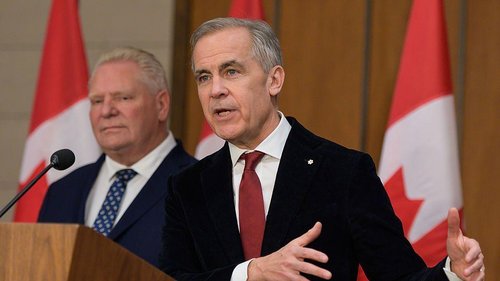
The upcoming Canadian federal election scheduled for April 28 will be pivotal in shaping the nation’s political landscape. With Mark Carney, the new leader of the Liberal Party and Justin Trudeau’s successor, running against Conservative leader Pierre Poilievre, the stakes are high as both parties aim to secure power after a prolonged political struggle.In this election, all Canadian citizens, including those incarcerated or residing abroad, can cast their votes, with the exception of the chief electoral officer, who is barred from voting during their decade-long service. Symbolically, the governor general abstains from voting to maintain the neutrality of the position.The election utilizes a “first past the post” voting system, where the candidate with the highest number of votes wins, regardless of whether they achieve a majority. For this election, 342 members will be elected to the House of Commons, reflecting a minor increase due to population growth.Voter participation has been facilitated through mailed cards indicating polling stations and options for early voting over four days, which begin on April 21. Elections Canada is actively supporting individuals who encounter issues with their voter cards, ensuring more citizens can engage in the democratic process.As Canadians prepare to exercise their voting rights, the anticipation builds for which party will emerge victorious and lead the government forward.