In brief
With billions invested in the Rail Baltica project, the Baltic states aim to bolster military and economic connections to Europe, though rising costs threaten its completion amidst geopolitical tensions.
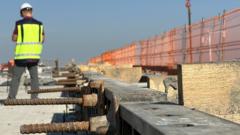
In the wake of growing geopolitical tensions stemming from Russia's invasion of Ukraine, the Baltic states are prioritizing the ambitious Rail Baltica project — a high-speed railway intended to connect Estonia, Latvia, and Lithuania while linking to Poland. Spanning 870 kilometers (540 miles), Rail Baltica represents a critical infrastructure initiative, originally envisioned to offer economic advantages, but now viewed as a matter of national security.Historically, the Baltics have relied on a Russian railway system established during the Soviet era, which necessitates train changes when crossing into Poland. The new European-standard railway aims to facilitate direct travel from Western Europe to the northernmost point in Estonia, significantly cutting journey times — a trip that currently takes over 12 hours could soon be completed in under four, boosting both mobility and connectivity between NATO allies.Estonia's Infrastructure Minister, Vladimir Svet, emphasized the railway's importance amid ongoing conflicts, asserting, "History is repeating itself,” in light of Russia's exploitative ambitions. The region, still navigating the memories of Soviet occupation and demographic shifts resulting from forced deportations, has a heightened sense of vulnerability with approximately 10,000 NATO troops presently stationed there.As workers rapidly develop the northern terminal in Tallinn, the project's escalating costs, which have surged fourfold since its inception, are causing concern among officials. Estimated at €24 billion now, the Rail Baltica project draw significant EU funding, although the financial burden on the Baltic states is substantial. With rising inflation and the impacts of the pandemic complicating construction, stakeholders are attempting to streamline efforts and secure additional funding.Despite initial critiques regarding the sequence of terminal versus railway construction, key figures like French engineer Emilien Dang highlight the necessity of accommodating the differing regulatory frameworks across the Baltic nations. Faced with a split construction proposal, the project is being reduced to a single track for the first phase, with plans for further expansion uncertain in the long-term.As negotiations for funding progress, Estonian national auditor Janar Holm predicts additional delays may lie ahead if resources aren’t secured promptly. While the Baltic states continue to advocate for their independence and security through stronger ties with Europe, the completion of Rail Baltica remains an essential yet challenging undertaking that, if realized, could significantly enhance regional resilience against external threats.